
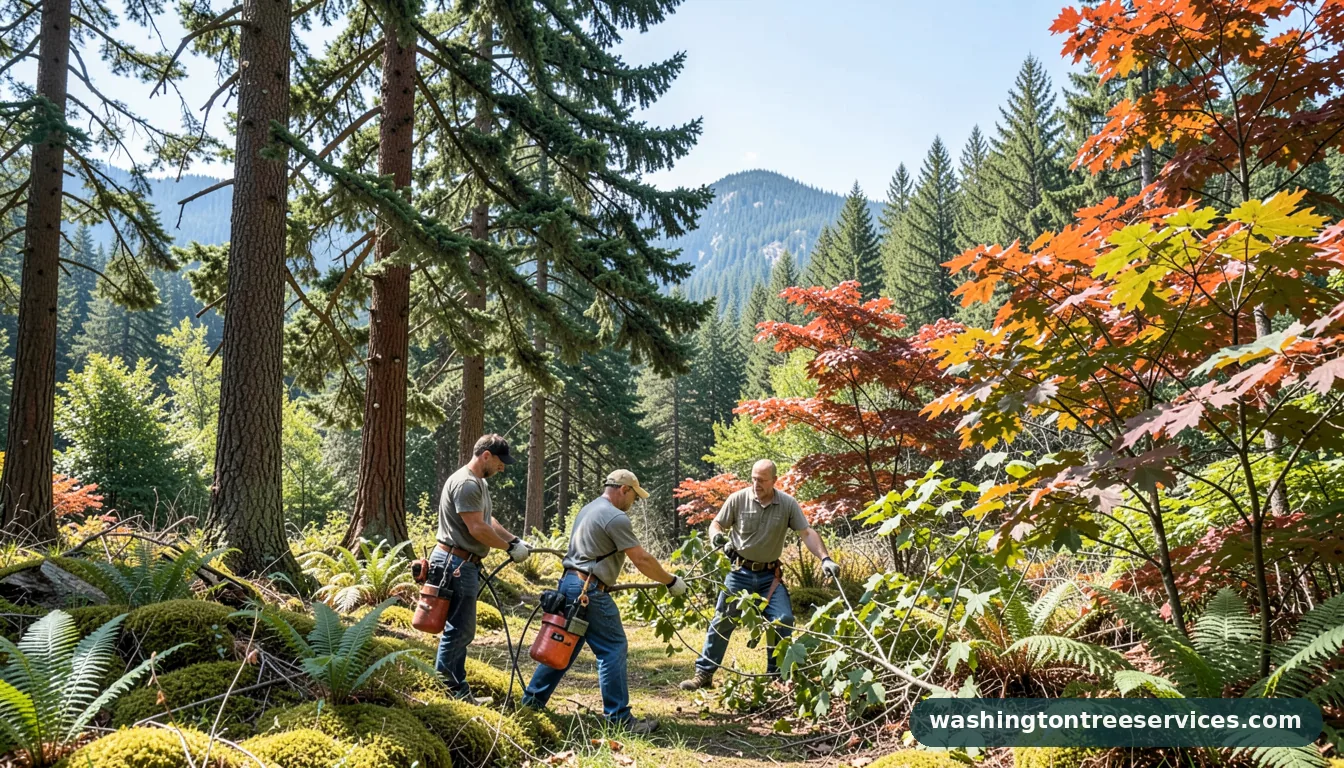
Are you wondering how to trim your dogwood trees? Trimming dogwoods can be a delicate process, requiring the right techniques and equipment to avoid damaging the tree. Regular maintenance is crucial for promoting healthy growth, preventing disease, and maintaining their shape.
When to Trim Dogwoods
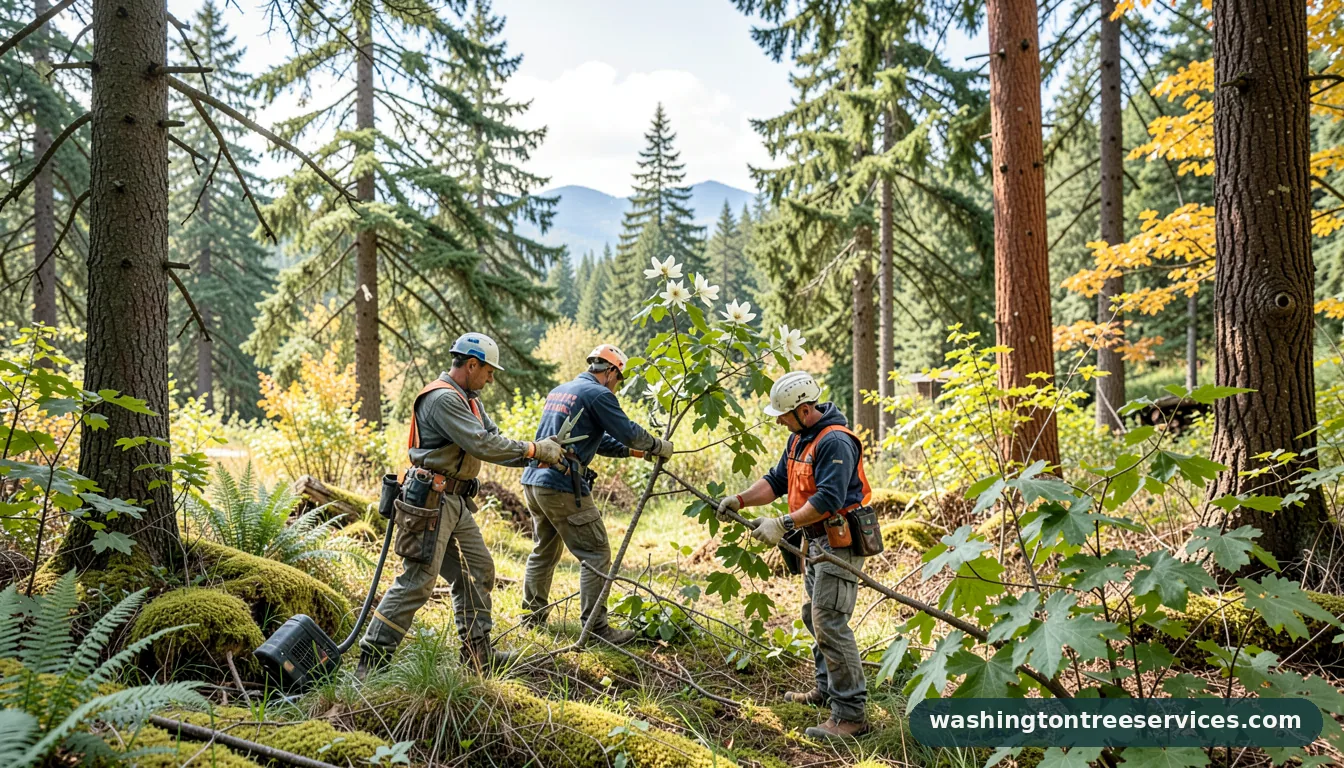
The best time to trim dogwoods depends on your location in Washington state. In general, it’s recommended to prune dogwoods during their dormant season, typically from late winter to early spring. This allows the tree to heal quickly and reduces the risk of disease.
Pruning Techniques for Dogwoods
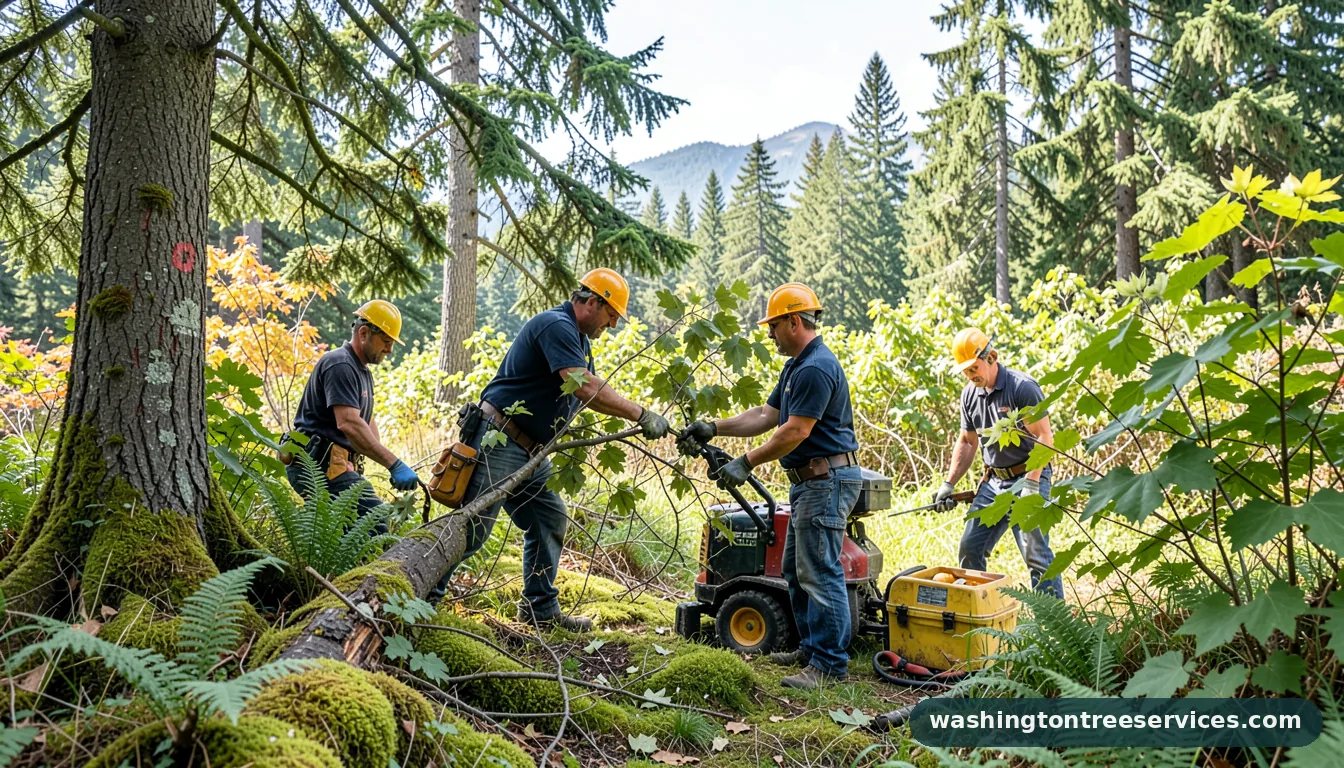
To avoid damaging your dogwood trees, use sharp, clean pruning tools and make cuts at a 45-degree angle. Remove any dead or diseased branches, and thin out the canopy to allow more sunlight to reach the inner branches. Be cautious not to over-prune, as this can stress the tree.
Common Mistakes to Avoid
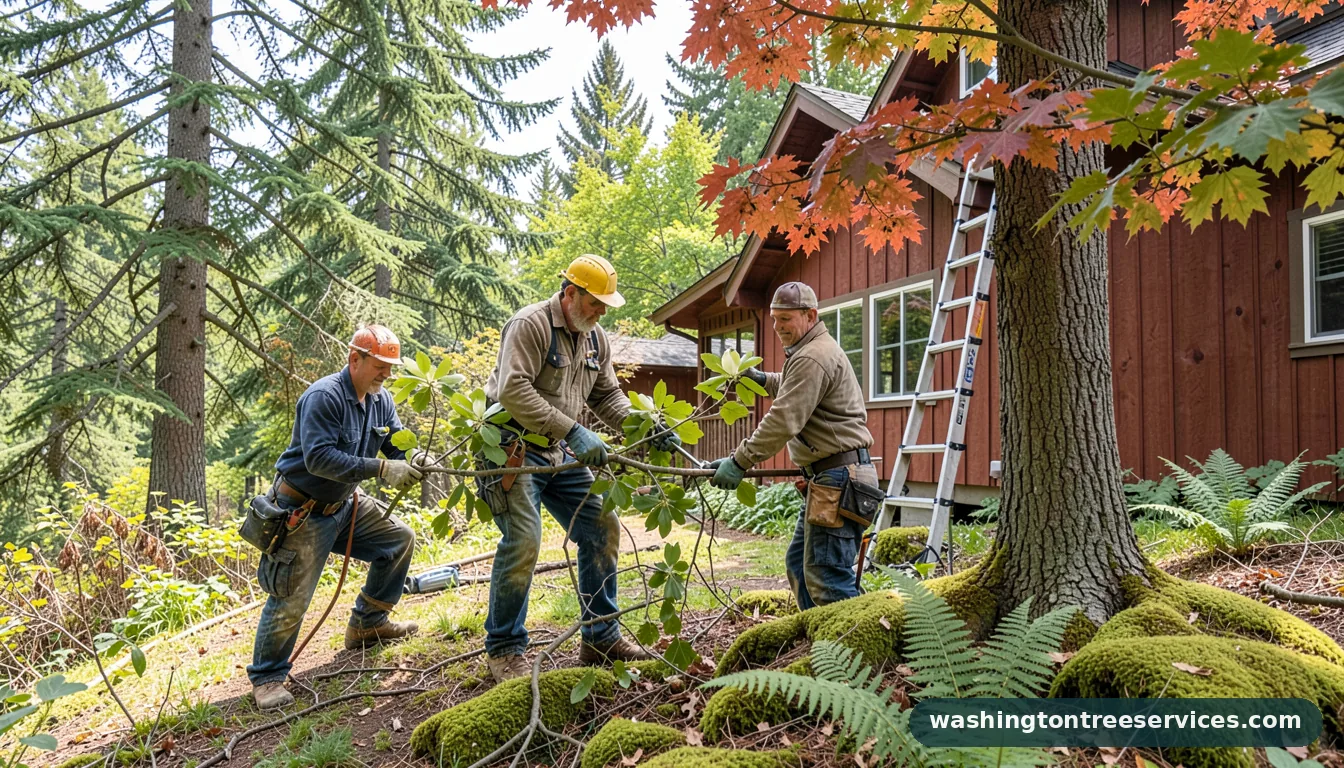
One common mistake when trimming dogwoods is cutting too much of the branch at once. This can cause the tree to become stressed and increase its risk of disease. Another mistake is pruning during the active growing season, which can lead to an increased risk of pest infestations.
When to Call a Professional
If you’re unsure about how to trim your dogwood trees or if they require extensive pruning, it’s best to consult with a arborist. They will assess the tree’s condition and provide customized guidance on the best pruning techniques for your specific situation.
Local Considerations
In Washington state, local regulations may affect how you trim your dogwood trees. Be sure to check with your local government or homeowners association (if applicable) to determine any specific requirements or restrictions.
Contact us today to schedule a consultation and learn more about our expert tree care services.
Related Washington Tree Services
Learn more about tree trimming and pruning or contact Washington Tree Services.
Related Washington Tree Services
Learn more about all tree services or contact Washington Tree Services.
Request an estimate for a site-specific assessment.