Where Safety Meets Expert Tree Service.

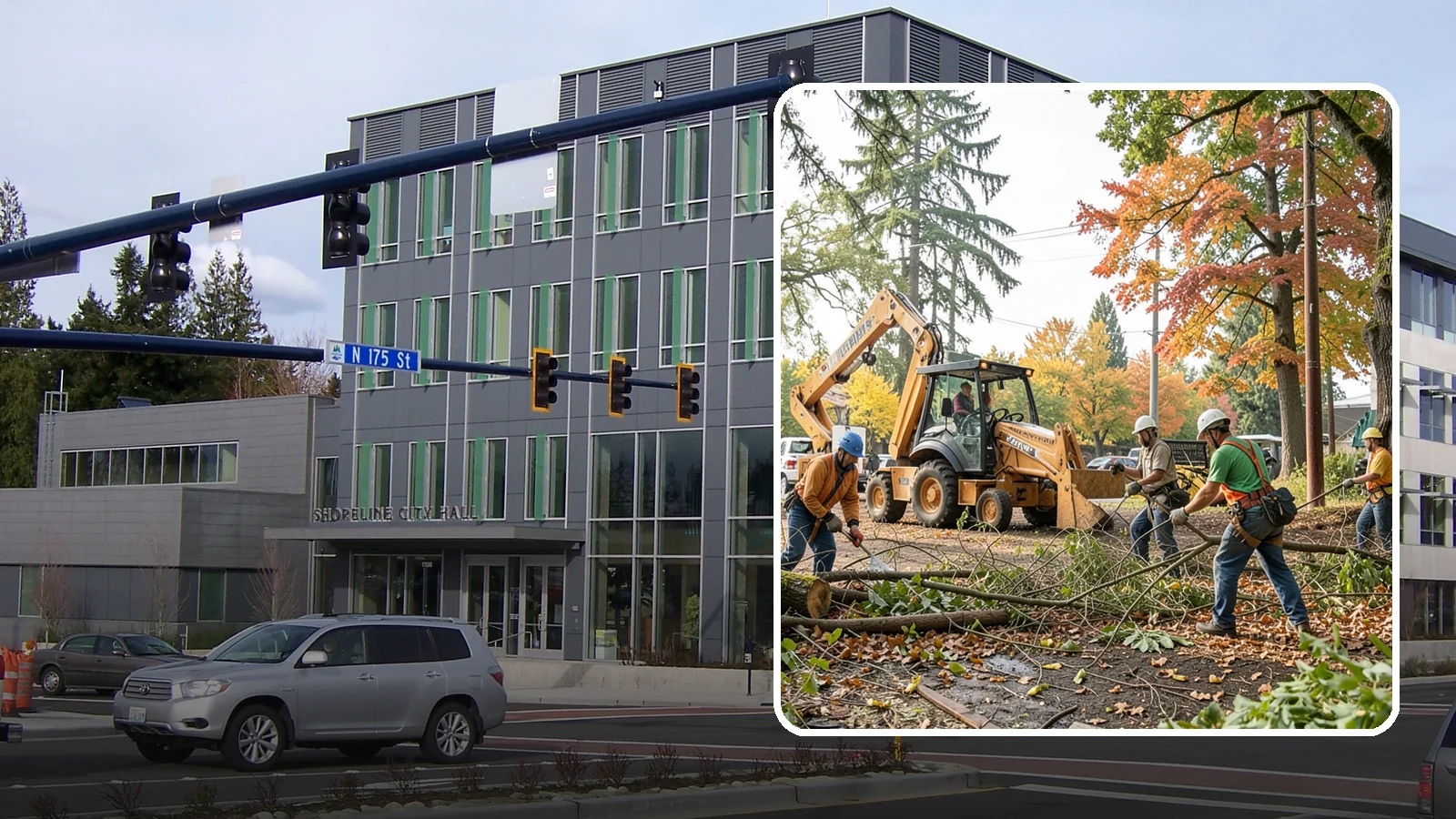
Shoreline Debris Cleanup
The collection and removal of branches, leaves, and woody debris from a site.
About Debris Cleanup in Shoreline
Debris Cleanup is a helpful way to leave your property clean after tree work or storms by removing branches, leaves, and woody debris. Our trained crews handle the collection so you do not have to worry about piles of wood cluttering your site. This service supports responsible reuse while ensuring your land looks tidy again.
What Shoreline Debris Cleanup Includes
We focus on gathering all loose material from a job site or storm aftermath to restore order to your landscape. The work includes sorting items by type and size before they are processed into usable products like chips or milled wood. By keeping debris off the ground, we reduce disposal burdens for you while turning waste into valuable resources.
Shoreline Debris Cleanup Process
Our team starts by assessing access limits and site conditions to match our methods with your specific needs. We then chip, cut, mill, or load materials as appropriate before hauling them away or delivering processed products elsewhere. Afterward, we thoroughly clean up the work area to ensure no stray pieces of wood remain behind.
Equipment We Use for Shoreline Debris Cleanup
To get the job done safely and efficiently, our crews use a variety of tools including wood chippers, chainsaws, and loaders. We bring along milling equipment when necessary to turn logs into usable products rather than just throwing them away. All vehicles are equipped with secure loads for transport, ensuring nothing is lost during hauling.
Shoreline Debris Cleanup Safety & Best Practices
Safety is always the top priority as we keep hands and bystanders clear of feed equipment like chippers and saws. Everyone on site wears proper eye and hearing protection while handling logs with correct technique to prevent injury. We also take care to secure loads for transport, which protects both our crew and your property during removal.
Signs You Need Debris Cleanup in Shoreline
You might need this service if you have just finished a pruning job or are dealing with the aftermath of recent storms. It is especially useful when piles of branches make it difficult to walk around your yard safely or mow your lawn. If moisture levels seem high in your wood, prompt cleanup can help maintain better product quality for reuse.
What Affects the Cost of Debris Cleanup in Shoreline
The price depends on how much sorting is required and whether you need materials chipped or milled into specific products. Access limitations that prevent heavy equipment from reaching certain areas will also influence the overall cost of removal. Additionally, logistics related to hauling away large volumes of material play a significant role in determining the final quote.
Best Time of Year for Shoreline Debris Cleanup
This service can be performed year-round here in Puget Sound weather whenever your property needs clearing after tree work or storms. While we are available anytime, addressing debris promptly helps manage moisture levels that could otherwise affect product quality. Following major storm events is often when this cleanup becomes most necessary for homeowners across the region.
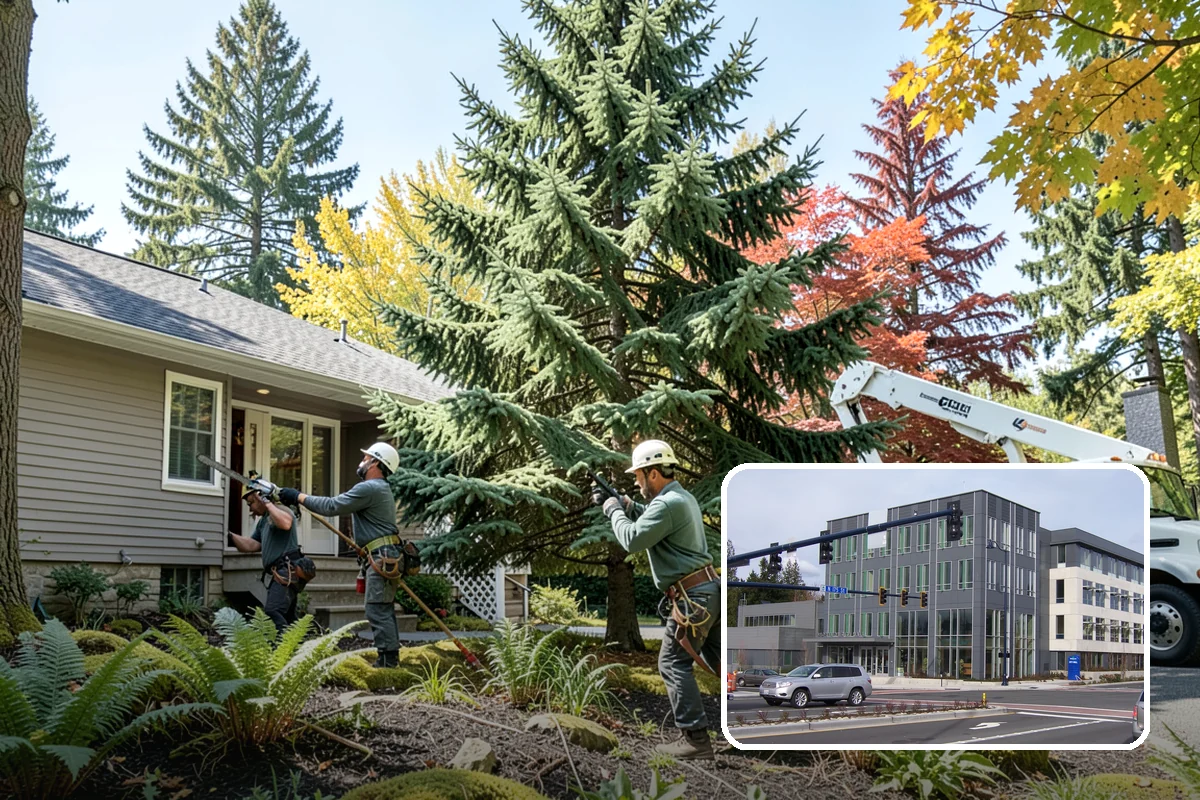
Debris Cleanup Serving Shoreline
Shoreline
A residential city directly north of Seattle between Puget Sound and Lake Forest Park.
Growing Conditions in Shoreline
Permits & Local Notes for Shoreline
Debris Cleanup in nearby areas
Also serving Shoreline
- Mixed Hardwood Firewood in Shorelineat Washington Firewood
- Soil Amendment in Shorelineat Washington Landscaping