Where Safety Meets Expert Tree Service.

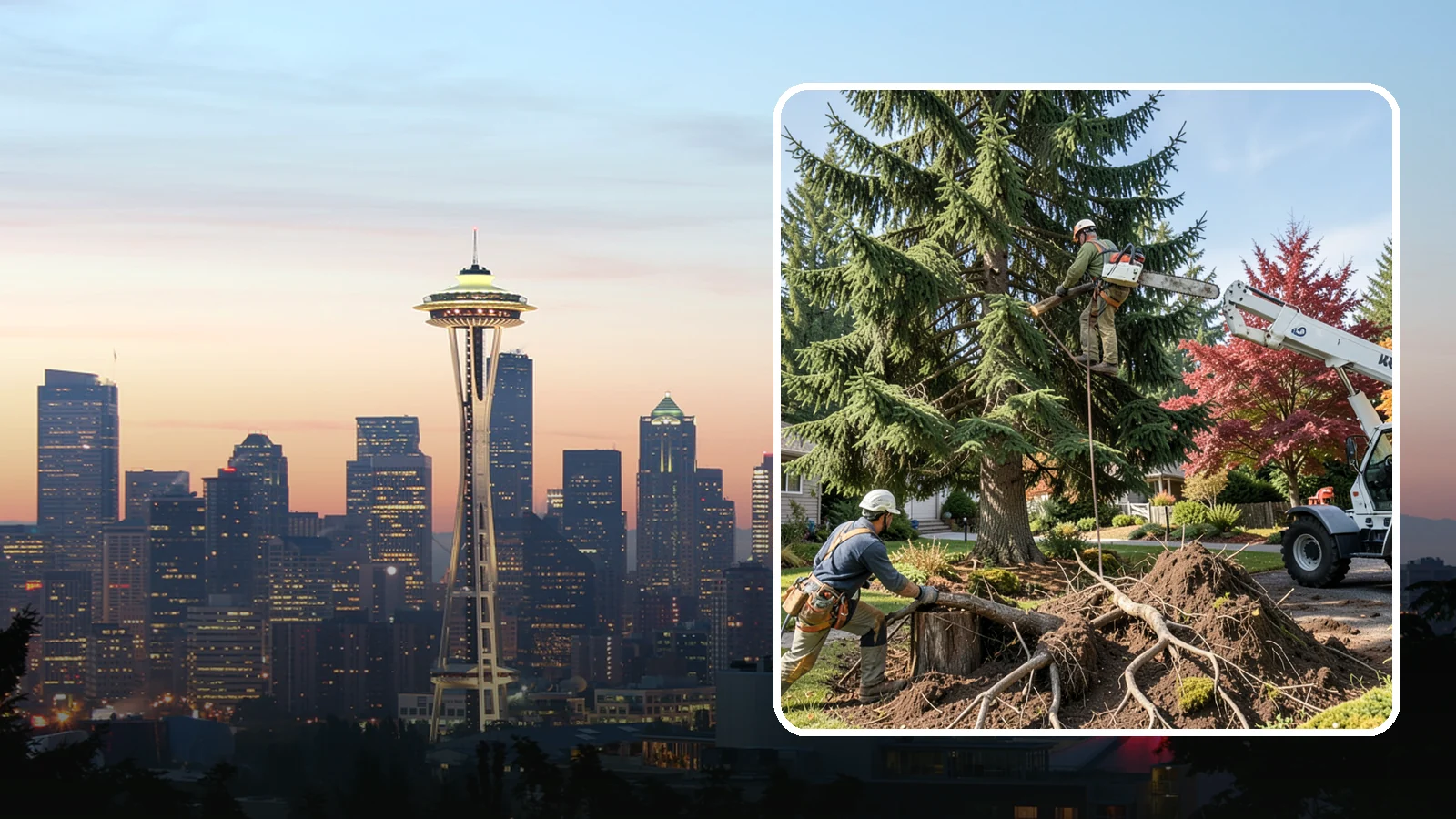
Seattle Root Removal
The removal of roots remaining after tree or stump work.
Root removal in Seattle makes the most sense when the ground is workable, which usually means the drier months rather than saturated winter soil. Digging in soft, wet ground tears up lawn and beds more, and it is harder to see where roots run and where they stop.
Start by noting what the roots are doing. Are they lifting a walkway, pushing on a foundation wall, or crowding a drain line? Take photos and mark the spots before anyone digs. That record helps decide whether you need a few roots cut or a full stump and root system removed.
About Root Removal in Seattle
If you have recently had a tree or stump removed but roots remain in your yard, our root removal service can help clear the space for new projects. This work is ideal for homeowners who want to reclaim usable ground or prepare an area for construction and replanting. We are here to ensure your property is left safe and ready for its next use.
What Seattle Root Removal Includes
Root removal focuses on taking out the remaining roots that stay behind after tree or stump work has been completed. This process clears obstructions that could cause tripping hazards while also discouraging pests and unwanted regrowth in the area. By removing these underground remnants, we help you fully utilize your landscape for hardscape installation or new planting efforts.
Seattle Root Removal Process
Our trained crews begin by locating and marking any nearby utilities before starting work to ensure everyone stays safe. We clear the immediate area around the stump and then grind or extract it along with surface roots using appropriate methods. Once removed, we process the resulting debris and backfill the site as needed to restore proper grading for your lawn.
Equipment We Use for Seattle Root Removal
To complete this job effectively, our teams utilize a variety of tools including stump grinders and excavation equipment. We also bring utility locating support systems along with wheelbarrows, rakes, and necessary personal protective gear. These resources allow us to match our methods specifically to the tree species present and the unique conditions of your site.
Seattle Root Removal Safety & Best Practices
Before any grinding begins, we confirm that all underground utilities have been properly located to prevent damage or injury. During work, bystanders are kept clear of ejected debris while crew members wear eye and hearing protection at all times. We also remain vigilant for buried obstructions like rocks or other hazards that could affect the safety of our team or your property.
Signs You Need Root Removal in Seattle
You may need this service if you notice tripping hazards near a stump site or find yourself dealing with pests attracted to remaining roots. If you plan on building hardscape, adding new plants, or simply wanting open space for play and recreation, root removal is the next logical step. Extensive root systems that limit access or cause ground instability are also clear indicators that this work is required.
What Affects the Cost of Root Removal in Seattle
The final cost depends largely on the size of your root system and whether soil conditions contain rock or debris that complicate excavation. Site access limitations for our equipment can influence pricing, as well as any specific requirements to locate underground utilities before we begin. These factors ensure we provide an accurate estimate tailored to the unique challenges of your property.
Best Time of Year for Seattle Root Removal
In our local Puget Sound climate, root removal work can generally proceed throughout all seasons of the year. However, heavy rainfall may temporarily delay projects when it creates muddy ground that is unsuitable for excavation tools and equipment. We monitor weather conditions closely to ensure we only start digging when the site is stable enough for safe operation.
Planning root removal on a Seattle property
Planning begins with the tree. Roots that remain after a tree comes down can sprout or rot slowly, and roots from a living tree can only be cut so far before the tree is put at risk. Which situation you are in changes the whole job.
What affects the scope
Size matters most. In Seattle's street-tree inventory, the median trunk diameter is 8.0 in, and 8.0% of trees are 24 in or wider. That is city street trees, not the trees on your lot. Still, it shows the range: a small tree has a modest root system, while a trunk of 24 in or more can have roots that run far and deep. Bigger roots mean more digging and more cutting, and sometimes heavier equipment.
Location matters next. Roots near a foundation, a sewer line, or a retaining wall are removed by hand or with careful digging. Roots in an open lawn are simpler. Single-family detached houses make up about 37% of Seattle's housing (Census ACS 2020-2024), so many jobs involve tight side yards and fences. Access can decide how the work gets done.
Seattle has rules on tree removal. They cover removal only, and we check with the city before work starts, since the rules can depend on the tree and the site.
What to expect on the day
The crew first confirms the plan with you and marks utilities and the roots to be taken. Then they expose the roots, cut them cleanly with hand tools or saws, and lift out the sections. If a living tree stays, cuts are kept to a minimum and made at sound points, following standard ANSI A300 practice. The holes are then backfilled and the debris is hauled away or left as agreed.
Expect some disturbed soil. Lawn and plantings in the dig zone may need replacing afterward.
Practical tip: before the visit, find your sewer cleanout and any irrigation lines and mark them with flags. It saves digging time and lowers the risk of a damaged line.
Seattle tree conditions at a glance
| Rain and snow falling October to April | 82% of the year’s total |
|---|---|
| Tree canopy | 28.0% of the city (city assessment, 2021) |
| Days that freeze at night and thaw by day | 27 a year |
Tree removal rules in Seattle
With no development proposed, removal of Tier 1-4 trees (6 in DSH+) is generally prohibited except listed exemptions/allowances. In NR, RSL, LR, MR, NC, C and SM zones, up to two Tier 4 trees (6-12 in) per 3-year period may be removed without SDCI review; in all other zones up to three Tier 3+Tier 4 trees combined per 1-year period.
Regulated size: 6 in DSH (diameter at 4.5 ft).
Official city source. Rules change; we confirm with the city before work starts.
Sources: Daymet daily weather (NASA/ORNL), NOAA Storm Events, USDA plant hardiness map 2023, NRCS soil survey, USGS elevation, WA DNR landslide inventory, USDA Forest Service aerial survey, WSDA, city tree assessments and street-tree inventories, SILVIS Lab, Arbor Day Foundation, and official city and utility pages.
Root Removal Serving Seattle
Seattle

Root removal in nearby areas
Also serving Seattle
- Bare Spot Repair in Seattleat Washington Landscaping
- Street Tree Pruning in Seattleat Washington City Services