Where Safety Meets Expert Tree Service.

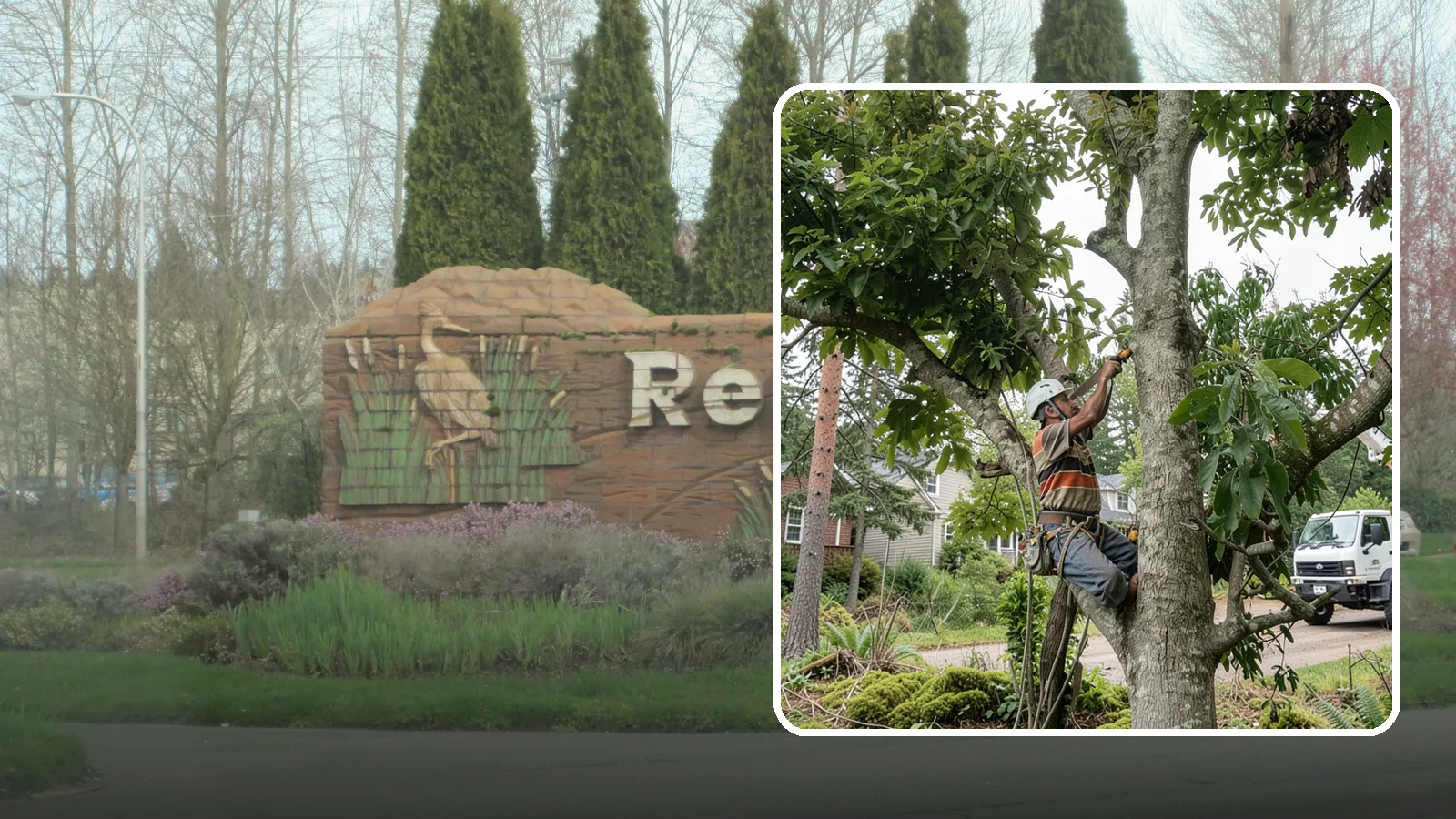
Renton Tree Pruning
The removal of specific branches to improve a tree’s structure, health, and safety.
You look up and see a branch rubbing the roof, limbs hanging low over the driveway, or a crown so dense that the lawn underneath has gone thin. Those are the usual reasons Renton owners start looking into pruning.
The right cut depends on the tree and the goal. Some pruning is about clearance, some about removing dead wood, and some about thinning weight from limbs that carry too much. Knowing which one you need makes the work simpler and the result easier to judge.
About Tree Pruning in Renton
Tree pruning helps homeowners maintain healthy, strong trees that fit well within their landscape. Our trained crews work carefully to remove specific branches while keeping your property safe and attractive year-round. We focus on improving the overall structure of your tree without causing unnecessary stress.
What Renton Tree Pruning Includes
This service involves removing selected branches to enhance a tree’s health, appearance, and safety around structures or power lines. It targets defective growth like deadwood and weak unions to support a robust framework for future seasons. Every cut is planned to match the specific needs of your tree species and site conditions.
Renton Tree Pruning Process
We begin by assessing the canopy condition and defining clear goals for what you want to achieve with each tree. Our team selects precise cuts that follow recognized arboricultural standards, ensuring we never remove too much live tissue at once. After making clean incisions at proper points, we lower branches safely, process the wood material, and leave your work area tidy.
Equipment We Use for Renton Tree Pruning
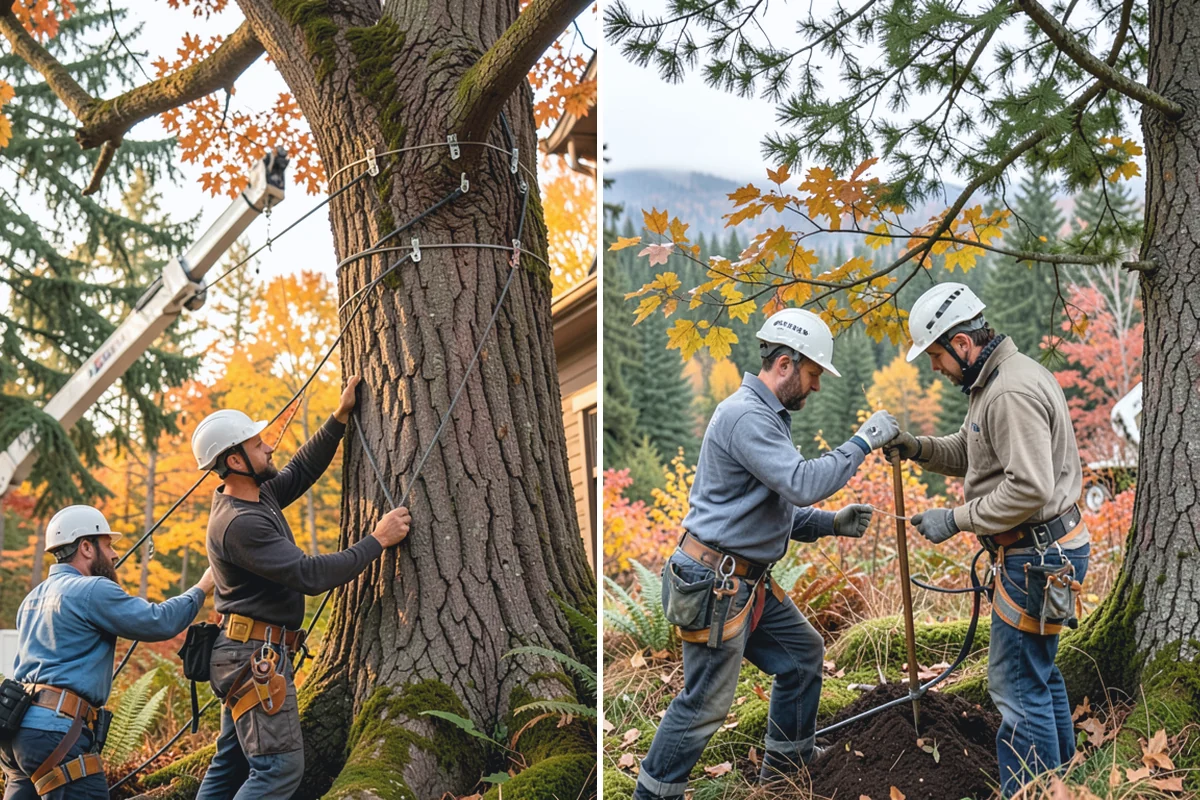
To complete this job effectively, our crews use hand saws, pole saws, chainsaws, and various climbing or rigging gear as needed. Depending on access requirements, an aerial lift may be brought in to reach higher branches safely. We also utilize a wood chipper for processing cut material and wear full personal protective equipment throughout the project.
Renton Tree Pruning Safety & Best Practices
Safety is our priority, so we always follow recognized pruning standards to avoid making harmful cuts that could weaken your tree. Our workers watch closely for overhead power lines and unstable limbs before starting any work aloft or on the ground. We limit removal to healthy amounts of live tissue and use fall protection whenever anyone climbs a tree.
Signs You Need Tree Pruning in Renton
You may need this service if you notice deadwood, weak branch unions, or branches interfering with your home’s structures or utility lines. Over-pruning from previous attempts or improper cuts can cause stress that shows up as declining health in the canopy. If sightlines are blocked by low-hanging limbs or clearance issues exist near walkways, pruning is a good solution.
What Affects the Cost of Tree Pruning in Renton
The investment for this work depends on factors like your tree species and how large its canopy has grown over time. Access requirements might change if equipment such as an aerial lift is needed to reach certain branches safely. Additionally, the volume of wood material that must be removed and processed will influence the overall cost of the project.
Best Time of Year for Renton Tree Pruning
The best time for pruning follows recognized arboricultural standards matched to our local Puget Sound climate conditions. We aim to schedule work during natural dormant periods preferred by each specific tree species in your landscape. Timing is critical because cutting at the wrong season can harm the tree or delay its ability to heal properly.
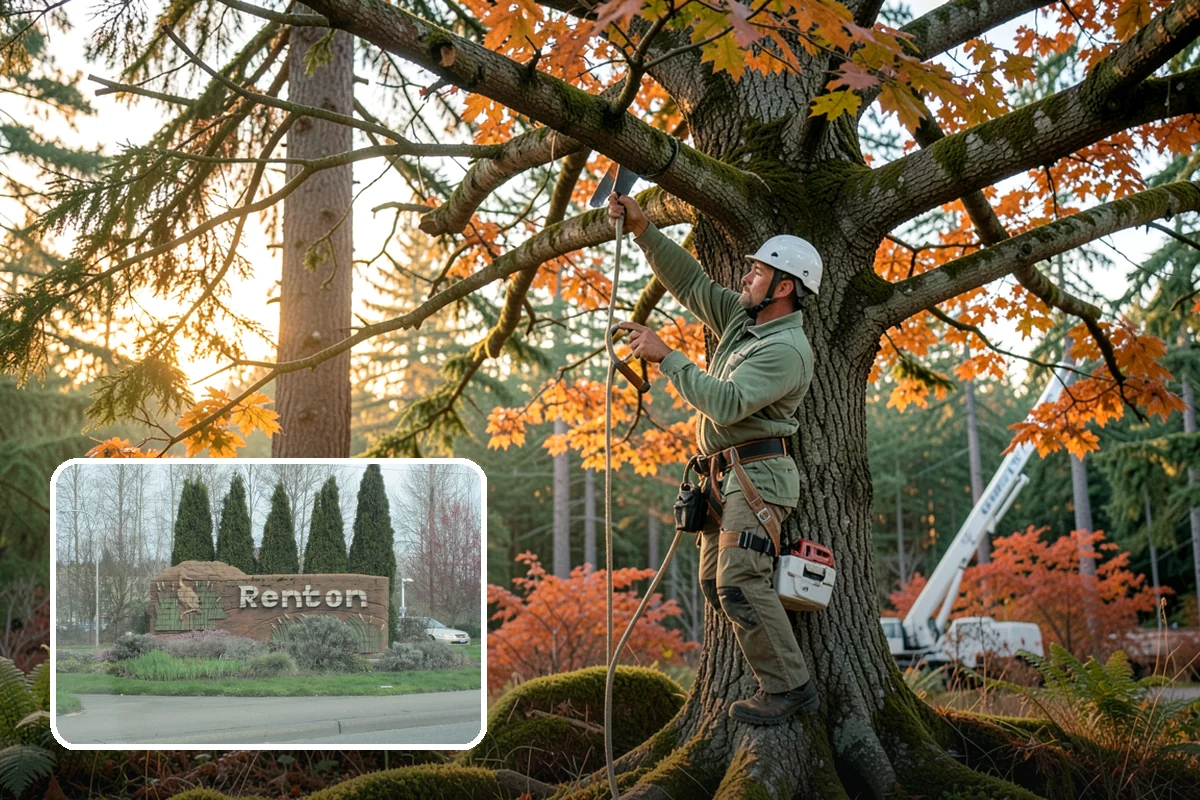
How Pruning Works for Renton Trees and Weather
Most pruning problems start with growth that has outpaced its space. Branches grow toward light, cross each other, and rub until the bark wears through. Dead or weak limbs stay on the tree until something brings them down. Pruning removes those problem branches on purpose, and in a controlled way.
Local weather affects when you should worry. A forecast-zone record that includes Renton counts 38 high and strong wind episodes from 2005 to 2025. That is a figure for the wider zone, not for your yard. It is still a good reason to deal with cracked, dead or overextended limbs before a windy stretch, since those are the ones that fail first.
Rain matters too. Daymet data for 2005 to 2025 shows 82% of Renton's yearly rain and snow falls from October to April. Wet wood and saturated soil are the conditions under which wounds stay damp, so clean cuts matter. We make the final cut just outside the branch collar. The WSU Extension Pacific Northwest Gardener's Handbook notes that flush cuts that remove the collar are slower to seal and more prone to decay. We do not top trees.
Timing depends on the species. The same WSU Extension chapter says that pruning spring bloomers, such as most fruit trees, in the dormant season removes flower buds formed the previous summer. If you have a flowering cherry or a fruit tree, tell us what you want from it, whether blossoms, fruit or shape, and we will plan the cuts around that.
The USDA lists Renton in hardiness zone 9a, with parts of the city from 8b to 9a. That tells you which species are likely to do well here, but it does not set a pruning date. The tree and your goal do.
A typical job starts with a walk around the tree to agree on what stays and what goes. We remove dead, broken and crossing branches first, then shorten or thin only what the goal calls for. If the work involves a city rule, we check with the city before work starts. To arrange a visit, call or text 425-484-4442. Estimates are free, and an ISA Certified Arborist is on staff.
Renton tree conditions at a glance
| USDA hardiness zone | 9a (8b to 9a across the city) |
|---|---|
| Rain and snow falling October to April | 82% of the year’s total |
| Days that freeze at night and thaw by day | 29 a year |
| Tree City USA | 18 years |
| Electric utility | Puget Sound Energy (PSE) |
Trees near the power line to your house
Puget Sound Energy (PSE): Service line (wire from PSE pole to home or meter pole): PSE does not trim it; homeowner/private arborist trims.
PSE performs a safety disconnection so the homeowner or private tree trimmer/arborist can work; Call at least 5 business days ahead to check crew availability and potential charges.
Safety disconnect: 1-888-321-7779 (5+ business days ahead). Utility page.
Any fee for a disconnect is set by the utility.
Sources: Daymet daily weather (NASA/ORNL), NOAA Storm Events, USDA plant hardiness map 2023, NRCS soil survey, USGS elevation, WA DNR landslide inventory, USDA Forest Service aerial survey, WSDA, city tree assessments and street-tree inventories, SILVIS Lab, Arbor Day Foundation, and official city and utility pages.
Tree Pruning Serving Renton
Renton
Also serving Renton
- Pine Tree Pruning in Rentonat Washington Landscaping
- Roof Sealing in Rentonat Washington Roofing
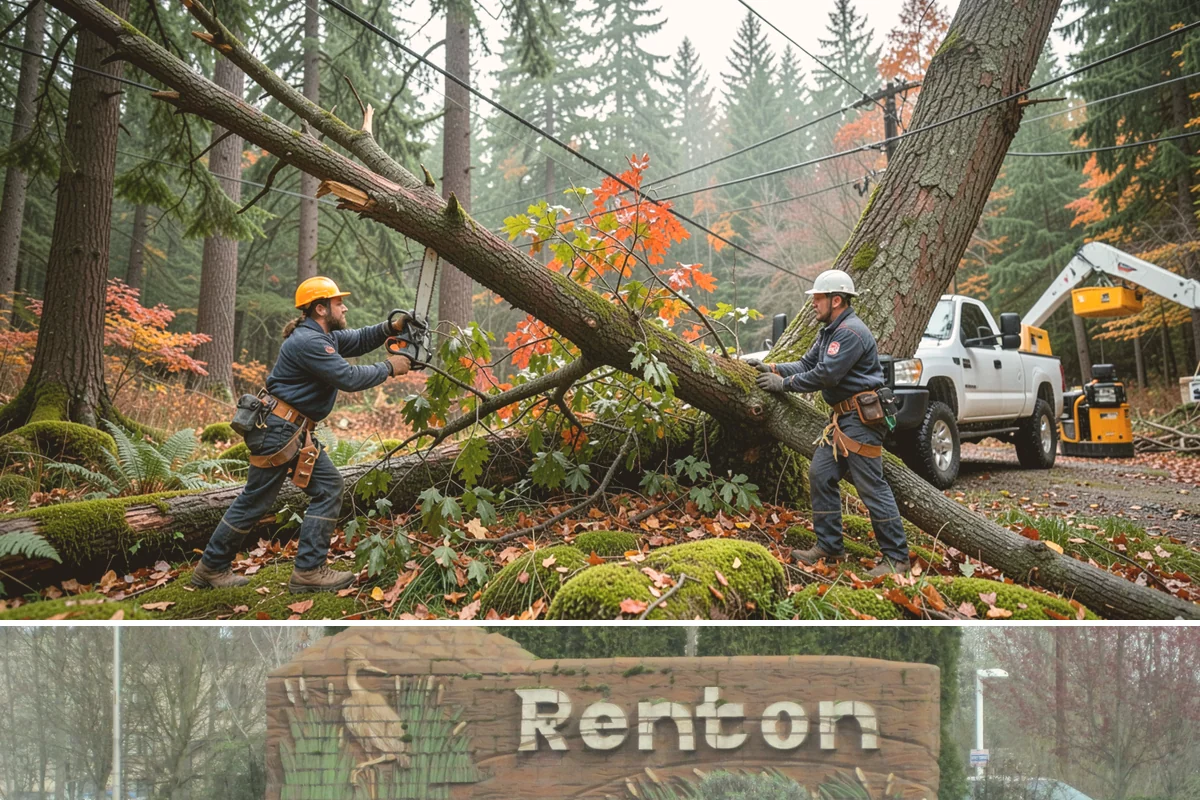
- Emergency Tree Removal in Rentonat Washington City Services