Where Safety Meets Expert Tree Service.


Puyallup Structural Pruning
Pruning that develops or corrects a tree’s branch architecture.
Structural pruning is for young and maturing trees that are still building their framework: a recently planted street tree, a yard tree with two competing leaders, or a tree with branches crowding one another. It suits owners who want to guide how a tree grows before problems get large.
The work is done in small cuts that favor one dominant leader and well-spaced main branches. Below, we compare the main approaches and when each makes sense in Puyallup.
About Structural Pruning in Puyallup
Structural pruning helps shape young trees into strong specimens while correcting defects in those that are maturing. This specialized care is designed for homeowners who want their landscape trees to remain healthy and safe over the long term. We work with your specific site conditions to ensure every cut supports the tree’s natural growth patterns.
What Puyallup Structural Pruning Includes
This service focuses on developing or correcting a tree’s branch architecture through careful, strategic cuts. Our trained crews follow recognized arboricultural standards to match methods for each species and location. The goal is always to build resilience in young trees while fixing structural weaknesses before they become serious issues.
Puyallup Structural Pruning Process
We begin by assessing the current canopy condition and defining clear pruning objectives for your specific tree. Crews select precise cuts suited to the season and species, ensuring clean removal without over-pruning live tissue. After making these strategic incisions, we lower branches safely and process the wood before cleaning up the entire work area.
Equipment We Use for Puyallup Structural Pruning
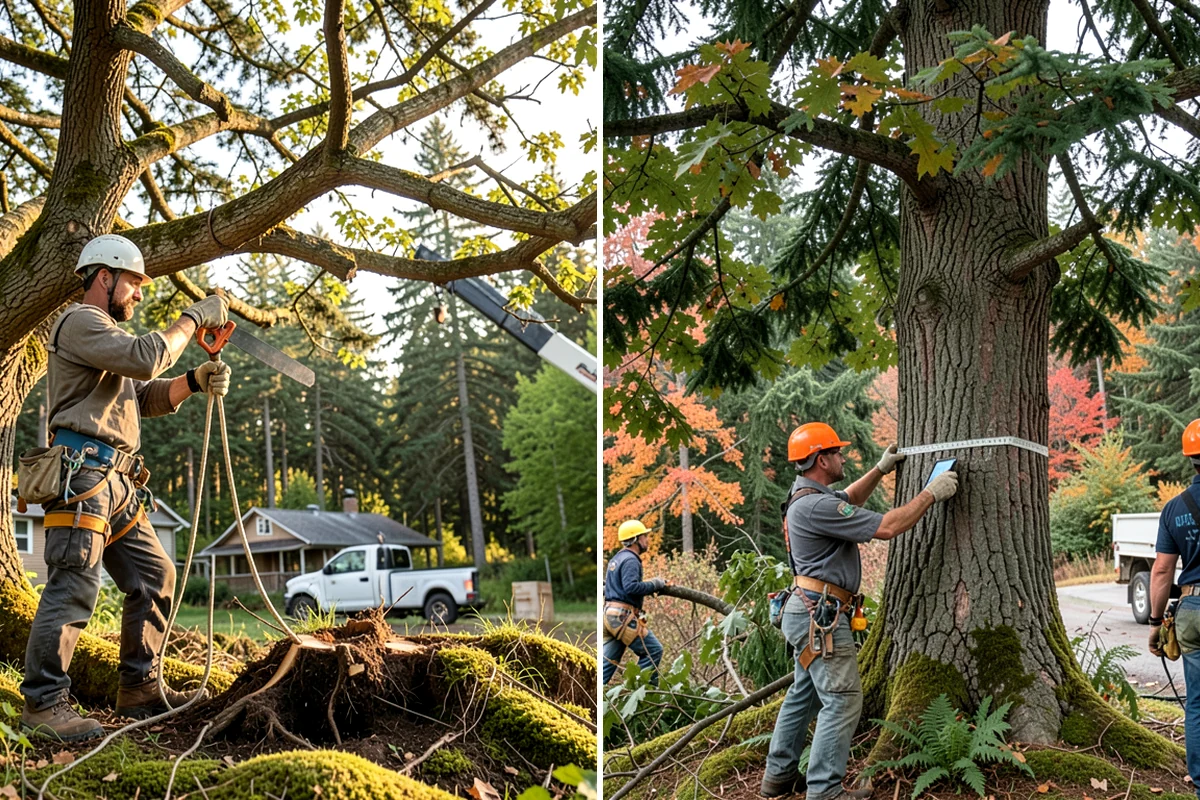
Our teams use a range of tools including hand saws, pole saws, chainsaws, and personal protective equipment to handle every job carefully. Depending on access needs, we may bring climbing gear, rigging systems, or an aerial lift to reach higher branches safely. A wood chipper is also used to process cut material efficiently once the work is complete.
Puyallup Structural Pruning Safety & Best Practices
We adhere strictly to recognized pruning standards to avoid making harmful cuts that could stress your tree. Our crews watch carefully for overhead power lines and unstable limbs while using fall protection whenever working at height. By limiting removal to healthy amounts of live tissue, we minimize risk without compromising the tree’s overall health.
Signs You Need Structural Pruning in Puyallup
You may need structural pruning if you notice deadwood, weak branch unions, or branches interfering with nearby structures. Over-pruning from past DIY attempts can cause stress, so professional assessment is needed when unsure about timing for your species. If sightlines are blocked or clearance under limbs needs improvement, this service helps restore balance and safety to your landscape.
What Affects the Cost of Structural Pruning in Puyallup
The final cost depends on the size of each tree and how difficult it is to access them with our equipment. Complexities involved in correcting branch architecture defects also influence pricing, as does any fee for processing and disposing of wood material. We provide a clear estimate based on these specific factors before work begins so there are no surprises later.
Best Time of Year for Puyallup Structural Pruning
In the Puget Sound climate, we time structural pruning according to species-specific sensitivities to avoid stressing maturing trees. Our crews schedule cuts during seasons that reduce disease risk from improper wounds while respecting natural dormancy periods for your local plants. This careful approach ensures your tree heals properly and maintains long-term vigor throughout its life cycle.
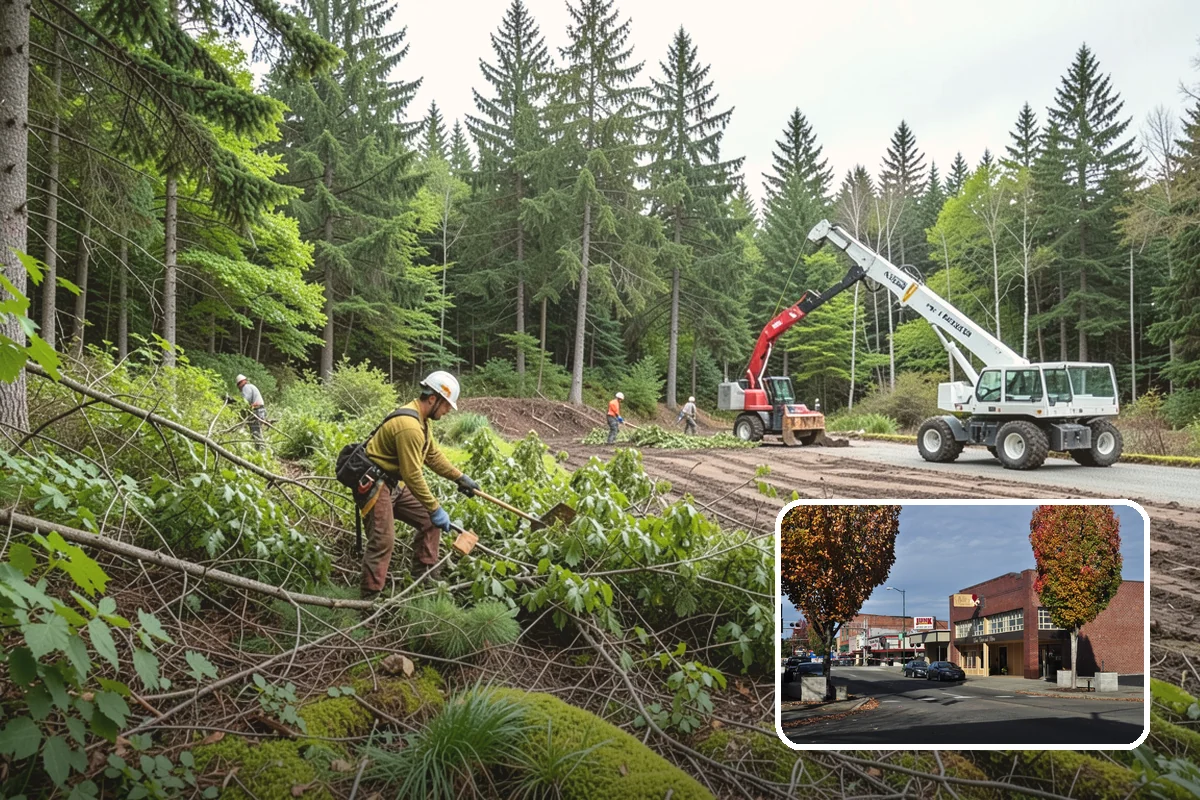
Choosing a structural pruning approach in Puyallup
Structural pruning is not one single cut. Owners usually choose among a few approaches, and the right one depends on the tree's age, its condition, and the species.
Your options
- Light, early training on young trees: remove or shorten competing leaders and a few poorly placed branches while the cuts are small.
- Phased pruning on older or neglected trees: spread corrections over more than one visit instead of removing a lot at once.
- Wait and monitor: hold off on trees that are stressed or newly planted.
When waiting is the better choice
The WSU Extension Pacific Northwest Gardener's Handbook (Chapter 23, Pruning Woody Landscape Plants) notes that recently transplanted, declining or stressed plants may not tolerate losing any live canopy. For those trees, the first step is usually to remove only dead or broken wood and revisit structure later.
What local conditions favor
Puyallup's street-tree inventory lists 812 trees, and the most common are Flowering Pear at 14.6% and Hornbeam at 9.4%, followed by Crabapple, Linden and Ash. That is a city inventory, not a count of trees on your lot. It does hint at what is commonly planted nearby. Ornamental pears and crabapples often form tight, multiple-stem branch unions, so early training on those species is often worth considering.
Timing also matters. Daymet data for 2005 to 2025 shows 81% of Puyallup's yearly rain and snow falls from October to April. Wet months favor fungal spread on fresh wounds, so we plan larger cuts with the weather in mind and keep them modest in size.
If you are unsure which approach fits, an on-site look at the tree is the best starting point. Our ISA Certified Arborist can assess it, and estimates are free.
Puyallup tree conditions at a glance
| USDA hardiness zone | 8b |
|---|---|
| Rain and snow falling October to April | 81% of the year’s total |
| Days that freeze at night and thaw by day | 29 a year |
| Tree City USA | 8 years |
| Electric utility | unconfirmed |
Most common street trees in Puyallup
- Flowering Pear14.6%
- Hornbeam9.4%
- Crabapple8.9%
- Linden7.3%
- Ash6.9%
- Green ash5.9%
Share of 812 trees in the city’s street-tree inventory; median trunk diameter 9.5 in, 0.0% at 24 in or wider.
Sources: Daymet daily weather (NASA/ORNL), NOAA Storm Events, USDA plant hardiness map 2023, NRCS soil survey, USGS elevation, WA DNR landslide inventory, USDA Forest Service aerial survey, WSDA, city tree assessments and street-tree inventories, SILVIS Lab, Arbor Day Foundation, and official city and utility pages.
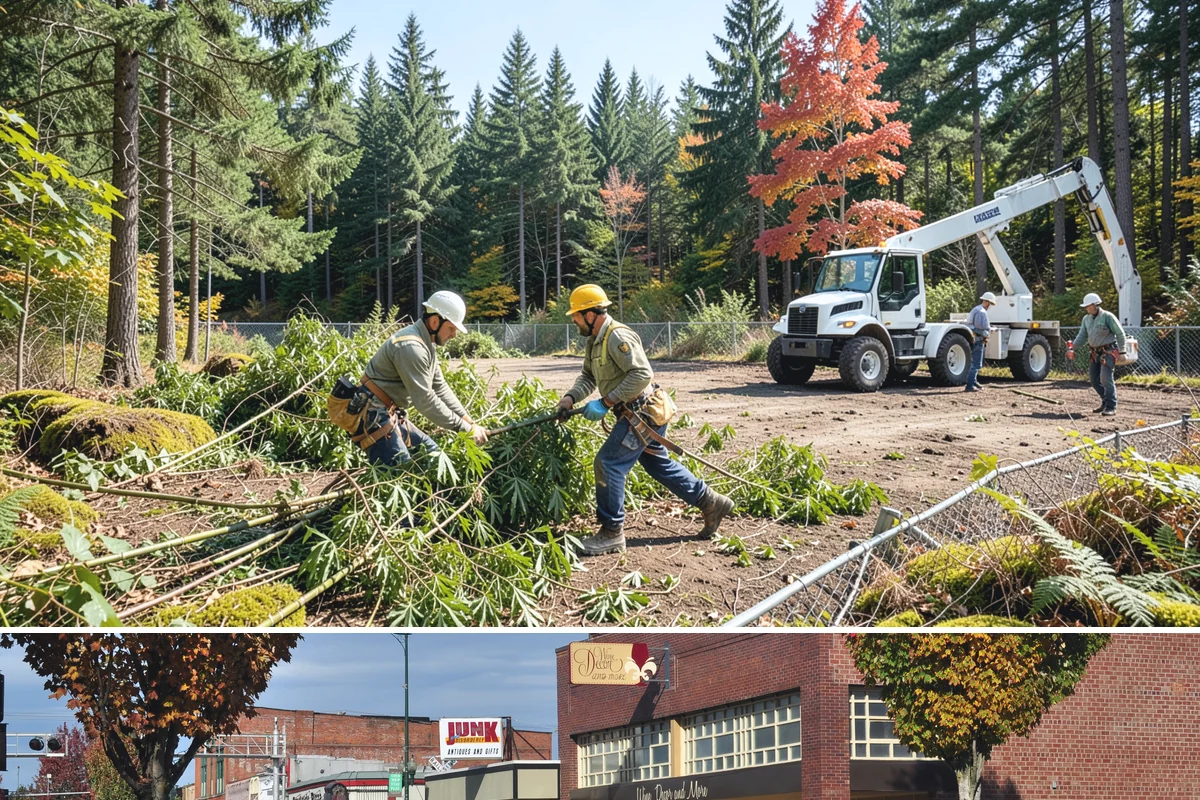
Structural Pruning Serving Puyallup
Puyallup
Also serving Puyallup
- Pear Tree Pruning in Puyallupat Washington Landscaping
- Preventive Roof Maintenance in Puyallupat Washington Roofing
- Tree Watering in Puyallupat Washington City Services