Where Safety Meets Expert Tree Service.

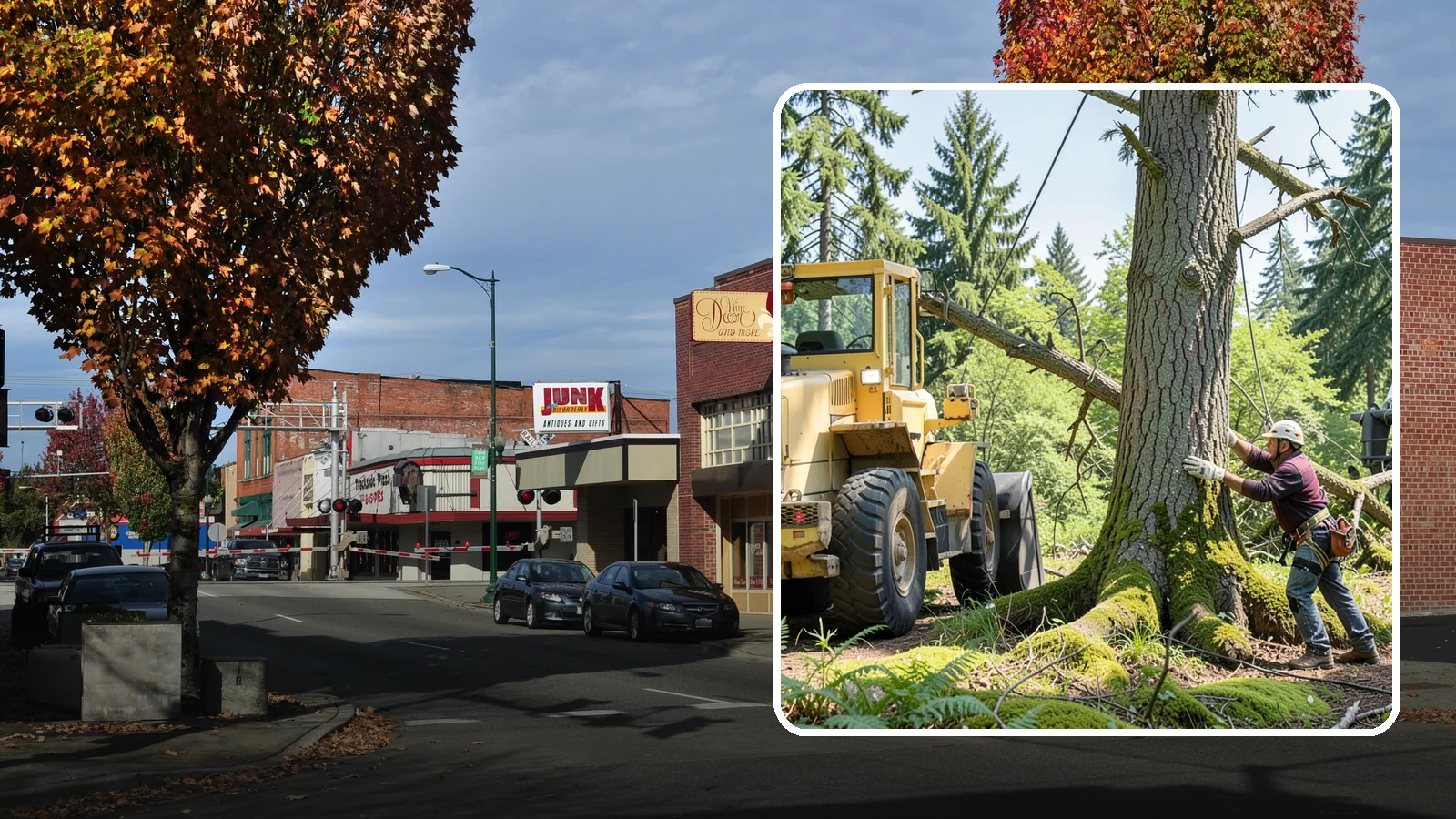
Puyallup Hanging Limb Removal
The removal of broken, suspended limbs.
Is a broken limb hanging in your tree an emergency? Often it is, because a limb that has snapped but not fallen can drop without warning. Keep people, cars and pets out from under it, and photograph it from a safe distance. Then arrange to have it taken down by someone equipped to do it safely.
Do not pull on it or climb the tree yourself. A hanging limb can hold tension, and it may swing or release when touched. A clear description of where it is and how big it looks helps the work get planned properly.
About Hanging Limb Removal in Puyallup
If severe weather has left broken branches dangling from your trees, our team is ready to help you restore safety quickly. We specialize in removing these suspended limbs so you can regain access to your property without worry. This service brings peace of mind after a storm by addressing immediate hazards right away.
What Puyallup Hanging Limb Removal Includes
Hanging limb removal focuses specifically on clearing broken branches that remain attached or are partially detached from the tree. Our trained crews work according to recognized arboricultural standards, using methods tailored to your specific tree species and site conditions. The goal is simply to eliminate the danger posed by hanging debris efficiently.
Puyallup Hanging Limb Removal Process
We begin by assessing the damage and identifying any immediate hazards before making the area safe for our crew. Once secure, we carefully remove both the hanging limbs and downed material while processing and hauling away all debris. If documentation of your property’s condition is needed, we will handle that as part of our work.
Equipment We Use for Puyallup Hanging Limb Removal
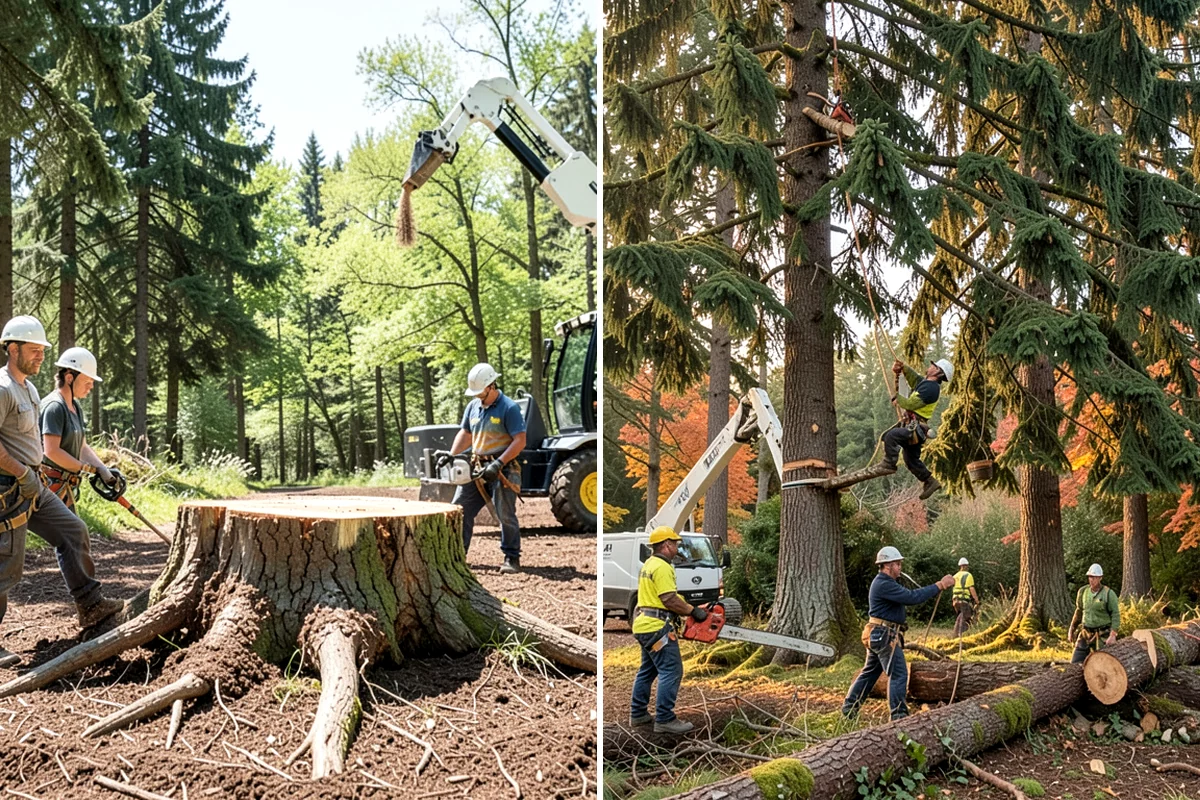
Our crews utilize chainsaws to cut through wood and rigging gear to manage heavy loads safely during removal. Depending on the size of the tree or location of the limb, an aerial lift or crane may be brought in for access. We also bring a chipper and hauling equipment to clear your property quickly after the limbs are downed.
Puyallup Hanging Limb Removal Safety & Best Practices
Storm-damaged trees should always be treated as unstable because they remain under significant load until fully removed. Our team stays alert for hidden utility lines that might have been knocked down or buried during the storm. We release tension carefully on bent material and keep all bystanders clear to ensure a safe work environment.
Signs You Need Hanging Limb Removal in Puyallup
You likely need this service if you see branches hanging precariously from trees after recent high winds or heavy rain. Hidden cracks in wood or signs of partial failure often indicate that a limb is about to drop unexpectedly. If access to your yard feels blocked by debris, clearing these hazards helps prevent secondary failures later on.
What Affects the Cost of Hanging Limb Removal in Puyallup
The price for this work depends heavily on the species of tree you have and how difficult it is to reach the broken limbs. Site conditions play a major role, especially if recent storms have limited vehicle or foot access around your property. Additionally, removing limbs that are pinned under tension requires more careful planning than cutting down healthy branches.
Best Time of Year for Puyallup Hanging Limb Removal
This storm response service is performed immediately following severe weather events when hanging branches pose an active threat to people and homes. Waiting too long can increase the risk of sudden failure as stored energy builds up within damaged wood. We aim to be on-site quickly after a storm passes to help homeowners recover from the immediate aftermath.
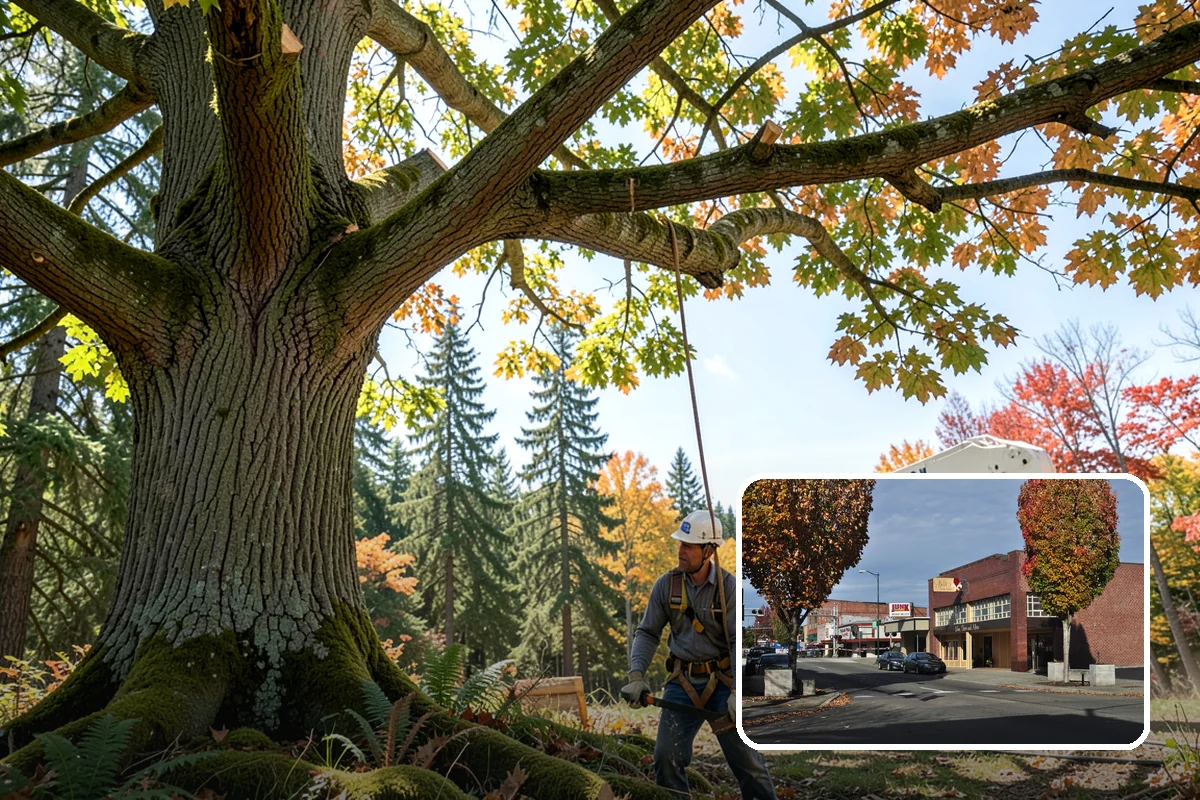
Hanging limb removal in Puyallup: what to know first
Why storm history matters here
The forecast zone that includes Puyallup logged 25 high and strong wind episodes between 2005 and 2025, according to regional weather records. It also had 2 ice storm episodes in that period. These are zone-wide figures, not a measure of any one tree. They do show that wind-broken limbs are a realistic risk, and that a limb left hanging may face more wind before it comes down.
How a hanging limb is removed
The standard approach follows ISA and ANSI A300 pruning practice. The climber looks at the tree first, checking for cracks, split unions and other damaged wood. The limb is then cut back to the branch collar or a suitable lateral, not left as a stub. Heavy limbs are usually lowered on ropes in sections so they do not strike the ground, roof or fence. We do not recommend topping to fix the damage, since it creates weak regrowth and more problems later.
When the whole tree needs a closer look
A single broken limb sometimes signals a bigger problem, such as decay, a cracked trunk or root movement. If you want a formal risk assessment, the WSU Extension Pacific Northwest Gardener's Handbook advises hiring a certified arborist with the Tree Risk Assessment Qualification or a Registered Consulting Arborist. Ask for that specifically if you are worried about the whole tree and not just one limb.
Puyallup is in USDA hardiness zone 8b, per the 2023 USDA map. That is a general climate rating, but it means many local trees stay in leaf and carry weight through much of the year, so a damaged limb deserves attention soon.
Before any work, we check with the city about whether any rule applies. Removing a single limb is often different from removing a tree, but we confirm instead of assuming. For a free estimate, call or text 425-484-4442 with a photo of the limb.
Puyallup tree conditions at a glance
| High and strong wind episodes, 2005-2025 | 25 in the forecast zone |
|---|---|
| Ice storm episodes, 2005-2025 | 2 in the forecast zone |
| Average snowfall | 7.8 in a season |
| Soils | 13% of land has hardpan or another restrictive layer within 40 in; most common series Puyallup; 47% well drained |
| Rain and snow falling October to April | 81% of the year’s total |
| Electric utility | unconfirmed |
Tree removal rules in Puyallup
Significant tree protections do not apply to lots containing single-family, duplex, triplex or up to four-unit residential development unless the tree is in a critical area. A permit is required on such lots only if the tree is on the City's Heritage Tree register, or is within or associated with a critical area (wetland/buffer, steep slope, stream buffer, habitat area/greenbelt). Significant trees are regulated on commercial, industrial, institutional and multifamily (5+ units) property.
Regulated size: Healthy, living tree greater than 15 in DBH (black cottonwood and red alder not typically regulated unless in a critical area).
Official city source. Rules change; we confirm with the city before work starts.
Strongest wind events near Puyallup
- Oct 18, 2007: gusts to 62 mph
- Jan 6, 2019: gusts to 61 mph
- Feb 25, 2025: gusts to 60 mph
NOAA Storm Events, forecast zone that includes Puyallup, 2005-2025.
Sources: Daymet daily weather (NASA/ORNL), NOAA Storm Events, USDA plant hardiness map 2023, NRCS soil survey, USGS elevation, WA DNR landslide inventory, USDA Forest Service aerial survey, WSDA, city tree assessments and street-tree inventories, SILVIS Lab, Arbor Day Foundation, and official city and utility pages.
Hanging Limb Removal Serving Puyallup
Puyallup
Also serving Puyallup
- Temporary Roof Covering in Puyallupat Washington Roofing
- Bowing Wall Repair in Puyallupat Washington Construction
- Bed Preparation in Puyallupat Washington Landscaping
- Emergency Access Clearing in Puyallupat Washington Snow Removal