Where Safety Meets Expert Tree Service.

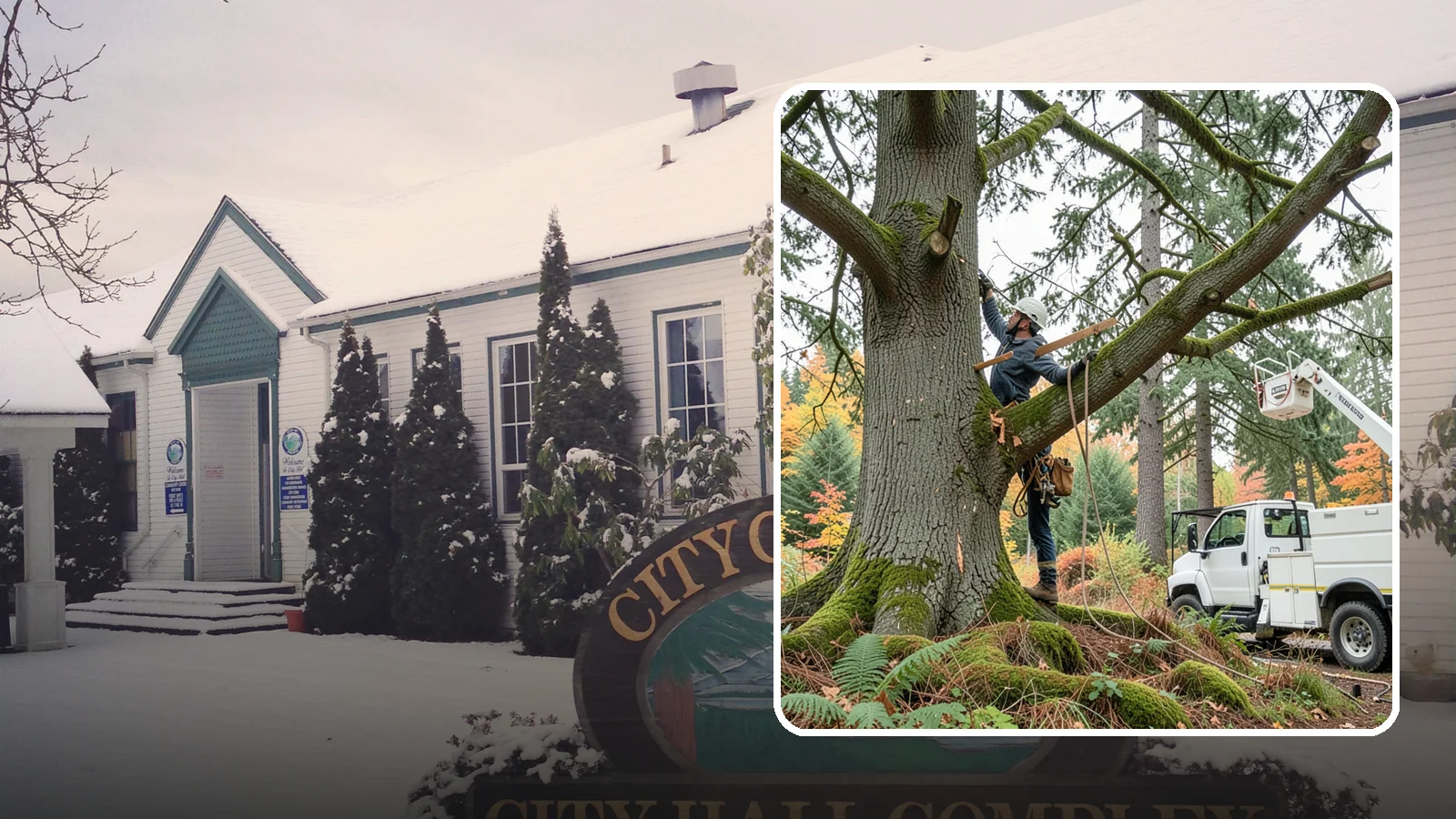
Pacific Weight Reduction Pruning
The reduction of weight on long or heavy limbs.
You may notice a limb that stretches far out over the roof, a yard, or a fence, with a lot of leafy growth at its tip. Or a tree may look top-heavy after years of growth, with branches sagging lower than they used to.
Weight reduction pruning is meant for these cases. It thins and shortens selected branches so less load hangs on the parts that carry it. Here is how to tell when it makes sense and what the work looks like on a tree in Pacific.
About Weight Reduction Pruning in Pacific
Weight reduction pruning helps homeowners manage trees that have long or heavy limbs at risk of failure. Our trained crews work alongside your property to relieve stress on these branches while improving the overall health and appearance of your landscape. This service is designed for any home where tree structure needs careful attention to ensure safety and stability.
What Pacific Weight Reduction Pruning Includes
This pruning method focuses specifically on reducing weight from heavy limbs that might otherwise break under their own mass or during storms. We match our techniques to the specific species of your trees, site conditions, and access points around your property. The goal is always to maintain a strong structure without over-pruning healthy tissue.
Pacific Weight Reduction Pruning Process
Our team begins by assessing the canopy condition and defining clear pruning objectives for each tree on your lot. Selecting the correct cuts based on seasonal needs ensures clean removals that do not harm the tree’s natural growth patterns. After making these precise cuts, we lower the material carefully and process it before cleaning up the entire work area.
Equipment We Use for Pacific Weight Reduction Pruning
We utilize a range of tools including hand saws, pole saws, chainsaws, and wood chippers to handle branches of various sizes. For trees that are difficult to reach or located in tight spaces, our crews bring climbing gear, rigging equipment, or an aerial lift as needed. All personnel wear personal protective equipment throughout the job to ensure a safe environment for everyone involved.
Pacific Weight Reduction Pruning Safety & Best Practices
We strictly follow recognized pruning standards to avoid making harmful cuts that could stress your trees further. Our crew watches closely for overhead power lines and unstable limbs before beginning any work on tall branches. When working aloft, every team member uses proper fall protection measures to prevent accidents during the removal process.
Signs You Need Weight Reduction Pruning in Pacific
You may need this service if you notice deadwood or weak unions that could lead to dangerous branch failure in your yard. Overhanging limbs interfering with structures or blocking sightlines are also strong indicators that weight reduction is necessary. Additionally, species-specific timing sensitivities suggest consulting a professional before attempting DIY cuts on sensitive trees.
What Affects the Cost of Weight Reduction Pruning in Pacific
The final price depends heavily on the length and total weight of the limbs being removed from your property. Site access requirements play a major role, especially if we need to use an aerial lift or navigate difficult terrain around your home. We also consider the volume of material that must be processed through chipping or hauled away after completion.
Best Time of Year for Pacific Weight Reduction Pruning
Scheduling work during dormant seasons helps avoid interfering with local flowering and fruiting cycles specific to Washington state tree species. It is equally important to wait until conditions are dry, as wet weather increases safety risks when handling heavy limbs near your home. Planning ahead ensures the best results for both the health of your trees and the safety of our crew.
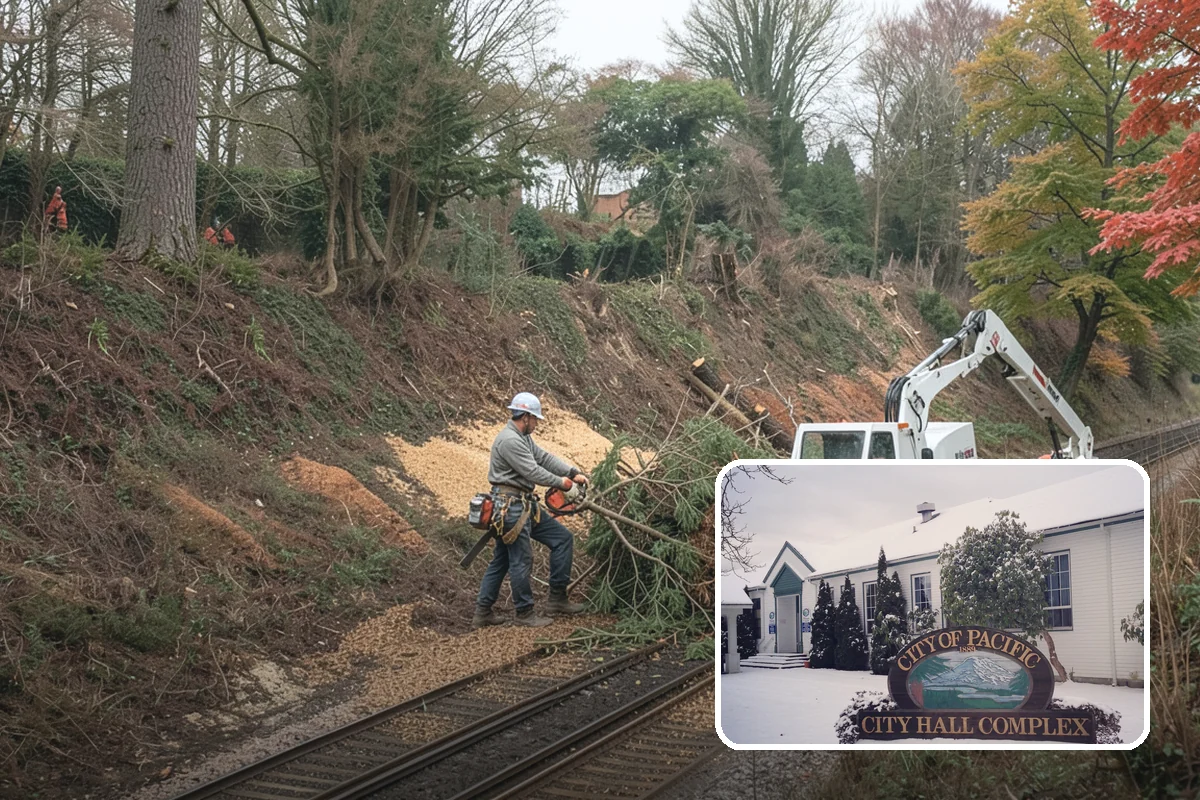
Weight reduction pruning for trees in Pacific, Washington
Branches get heavy for simple reasons. Limbs grow longer, and the foliage and wood at the ends add leverage on the joint where the limb attaches. Wet leaves, snow or ice add more. A branch with a narrow, tight union, or one that has a cavity or old wound, is the usual place for a failure to start.
Local weather shows why this matters. A federal weather record for the forecast zone that includes Pacific shows a strongest gust of 74 mph on December 14, 2006, since 2005. That is a zone-wide figure, not a reading from any one yard. It still tells you that a strong wind can arrive, and that long, loaded limbs catch more of it than short, balanced ones.
The same zone had 3 ice storm episodes between 2005 and 2025. Ice adds weight along every twig and branch. Pacific averages 6.5 in of snow per season, which is modest, but a wet snow can still load a crown that already carries a lot of foliage. Taken together, these figures point to one thing: reducing end weight is worth considering before the stormy months, not after a limb comes down.
How the work is done
Weight reduction follows standard practice, such as the ISA and ANSI A300 pruning standards. We start by looking at the whole tree, including the branch unions, any decay, and how the crown is balanced. Then we shorten selected limbs by cutting back to a suitable side branch, usually one with a diameter of at least a third of the cut stem. We also thin some interior growth. We do not top the tree, because stubbed cuts leave weak regrowth and open large wounds.
Pruning cannot make a defective limb sound. If a branch is cracked, decayed or badly attached, removing it may be the better choice. The city of Pacific may have its own rules for tree removal, so we check with the city before any removal starts. Ask us for a look at the tree, and call 425-484-4442 for a free estimate.
Pacific tree conditions at a glance
| USDA hardiness zone | 8b |
|---|---|
| Rain and snow falling October to April | 81% of the year’s total |
| Days that freeze at night and thaw by day | 28 a year |
| Electric utility | unconfirmed |
Sources: Daymet daily weather (NASA/ORNL), NOAA Storm Events, USDA plant hardiness map 2023, NRCS soil survey, USGS elevation, WA DNR landslide inventory, USDA Forest Service aerial survey, WSDA, city tree assessments and street-tree inventories, SILVIS Lab, Arbor Day Foundation, and official city and utility pages.
Weight Reduction Pruning Serving Pacific
Pacific

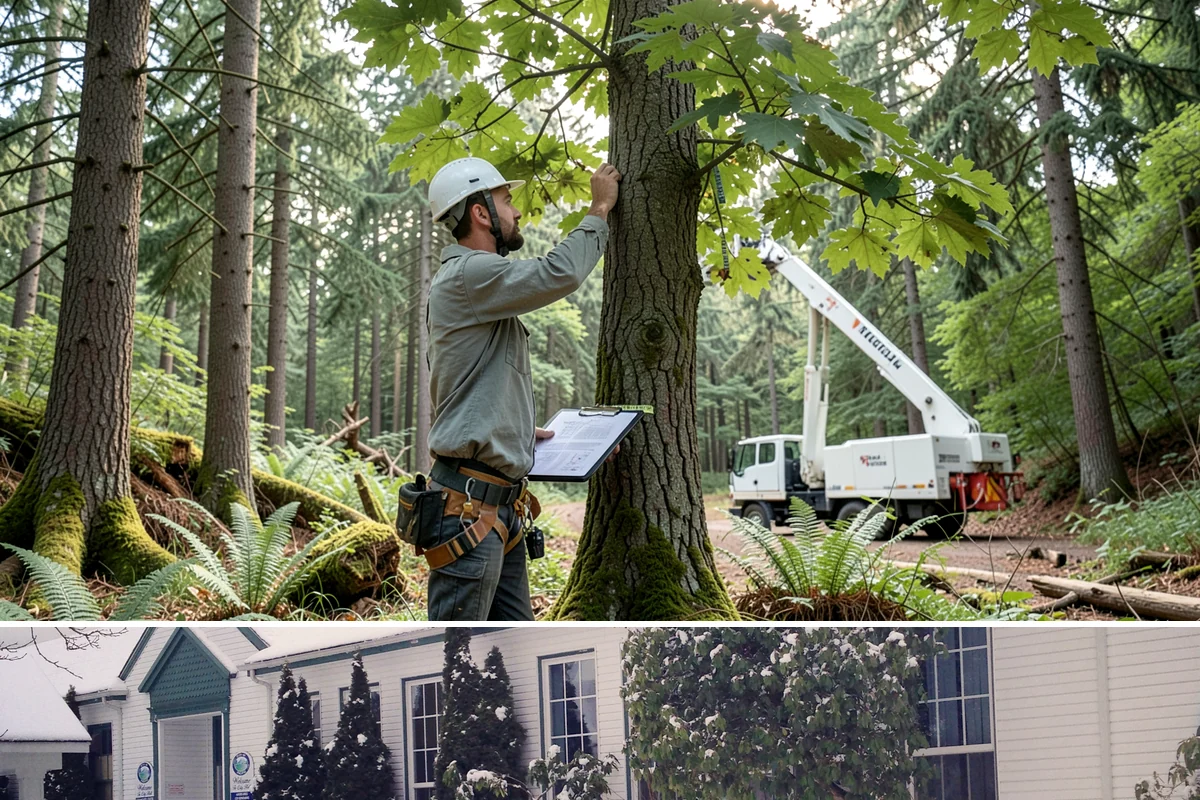
Also serving Pacific
- Japanese Maple Pruning in Pacificat Washington Landscaping
- Roof Sealing in Pacificat Washington Roofing
- Tree Inventory in Pacificat Washington City Services