Where Safety Meets Expert Tree Service.

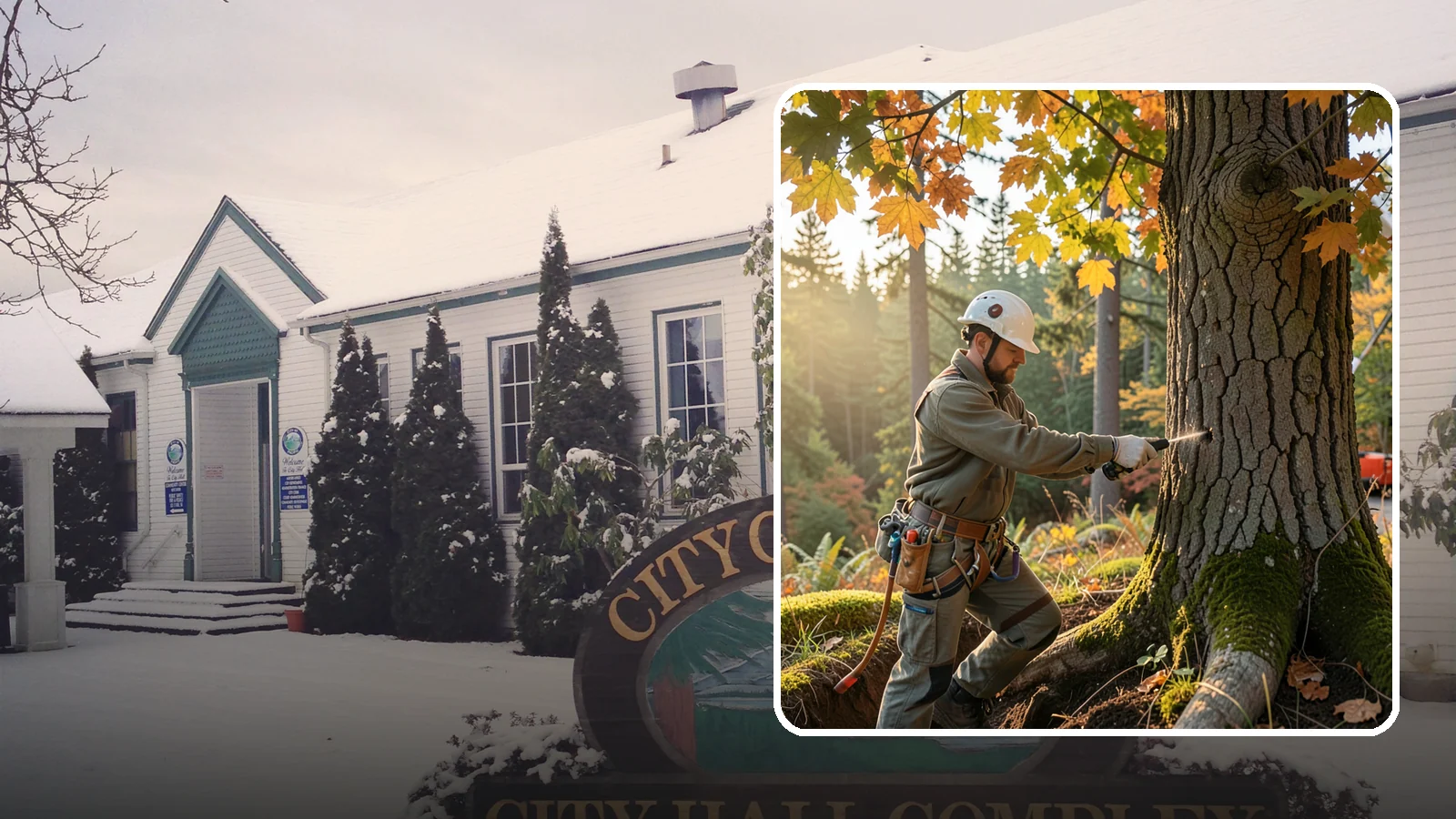
Pacific Deep Root Fertilization
The injection of nutrients into the root zone.
Maybe the needles on your cedar are browning in patches, or a maple leafed out thin and small this spring. Slow growth and pale foliage are common reasons people start looking into deep root fertilization.
The treatment places nutrients into the soil around a tree's feeder roots. Whether it helps depends on what the tree is actually short of, and on the soil it grows in. Here is how to sort that out in Pacific.
About Deep Root Fertilization in Pacific
Deep root fertilization is a targeted approach to tree health care that delivers essential nutrients directly into your landscape’s foundation. This service helps valued trees thrive by addressing issues like nutrient-poor or compacted soils before they become serious problems. It is designed for homeowners who want long-term stability and vitality in their existing canopy.
What Pacific Deep Root Fertilization Includes
The core of this treatment involves injecting specialized nutrients deep into the root zone where your tree can access them most effectively. Our trained crews match specific methods to the unique species, site conditions, and access points around each individual tree. This process supports overall health by improving soil quality while catching early signs of decline before they escalate.
Pacific Deep Root Fertilization Process
We begin with a thorough inspection of the tree and its surrounding environment to identify contributing factors such as pests or disease history. Based on these findings, we recommend and apply appropriate treatments tailored to your specific site conditions. Every step is documented carefully so you can track progress and plan for necessary follow-up care later on.
Equipment We Use for Pacific Deep Root Fertilization
Our crews utilize diagnostic tools and soil probes to assess the condition of the ground before starting work. We bring along injection equipment designed to deliver nutrients without damaging roots or trunks, alongside air excavation tools when needed for access. All team members wear personal protective equipment to ensure a safe environment during application.
Pacific Deep Root Fertilization Safety & Best Practices
Safety is paramount as we strictly follow label guidelines and application instructions for any products used on your property. We take extra care to protect surrounding plantings and the soil structure while avoiding damage to roots or trunks during injection. Accurate documentation of site conditions ensures that our work remains safe and effective throughout the entire process.
Signs You Need Deep Root Fertilization in Pacific
You may need this service if you notice trees struggling in areas where the ground has become compacted over time. Other indicators include decline caused by past construction, grade changes, girdling roots, or an inability to support healthy growth due to poor soil quality. Recognizing these issues early allows us to intervene and restore your landscape’s natural balance effectively.
What Affects the Cost of Deep Root Fertilization in Pacific
The investment for deep root fertilization varies based on the size of each tree requiring treatment. Accessibility matters significantly, as difficult-to-reach injection points or complex site conditions like steep grades can influence pricing. Ultimately, we tailor our approach to ensure you receive fair value that matches your specific landscape needs and budget constraints.
Best Time of Year for Pacific Deep Root Fertilization
While this service is available year-round in the Puget Sound region, weather patterns do affect how quickly we can complete certain tasks. During wetter seasons, we may need to use air excavation tools first to clear access before injecting nutrients into the root zone. Planning your project outside of heavy rain periods often allows for smoother execution and better results without delays.
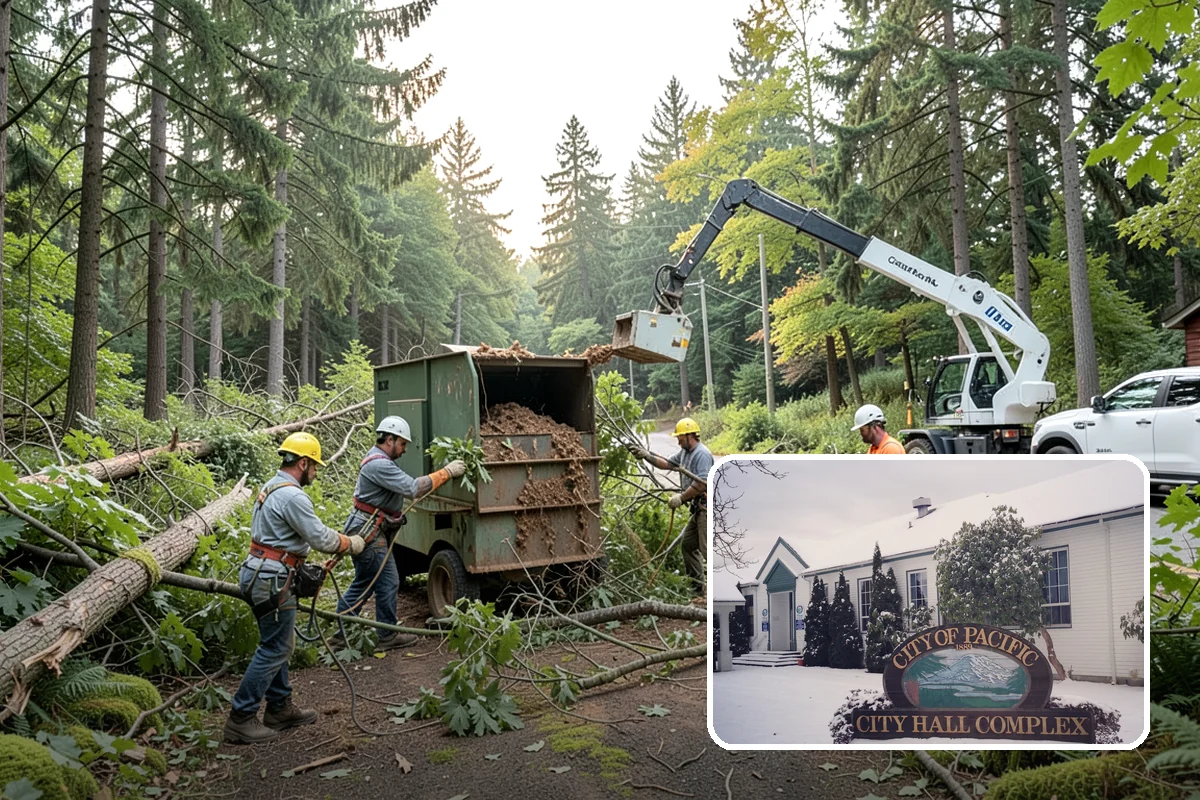
Deep root fertilization and soil conditions in Pacific
Feeder roots do most of a tree's absorbing, and they sit mostly in the top foot or two of soil. Deep root fertilization uses a probe to place a measured amount of fertilizer into that zone, usually in a grid under the canopy. Standard practice is to base the product and rate on a soil test or a clear nutrient deficiency, not to apply it by habit.
Soil is the first local detail to consider. The NRCS soil survey shows that 29% of the land in Pacific has a hard or restrictive layer, such as glacial hardpan, within 40 inches of the surface. The most common series is Puyallup, and the survey lists 27% of the soil as well drained and 45% as poorly drained. That is a survey of the land in general, not a reading of your yard. Still, it means roots in some spots may be confined to a shallow layer that stays wet in winter. In that case, poor color or thin growth may come from drainage or compaction more than from missing nutrients, and fertilizer alone will not fix it. We would look at the site before recommending anything.
Rain timing matters too. Daymet data for 2005 to 2025 shows 81% of Pacific's yearly rain and snow falls from October to April. Nutrients applied in the wet months can wash past the roots, especially in well-drained pockets. Summers are dry, so trees often need water more than food. WSU HortSense notes that cedars may need extra irrigation during summer drought to reduce flagging, which is the browning of individual branches. If your cedar shows flagging, deep watering in dry weather is usually the first thing to try.
Pacific is in USDA hardiness zone 8b (2023 map), so most common landscape trees do well here, and cold damage is rarely the cause of poor growth.
A visit starts with a look at the tree's leaves, branch growth, and site. We may suggest a soil test, then apply only if a nutrient need is likely. Our ISA Certified Arborist can walk you through the findings, and estimates are free. Call or text 425-484-4442.
Pacific tree conditions at a glance
| USDA hardiness zone | 8b |
|---|---|
| Soils | 29% of land has hardpan or another restrictive layer within 40 in; most common series Puyallup; 27% well drained |
| Rain and snow falling October to April | 81% of the year’s total |
| Days with 0.1 in or more of rain | 108 a year |
| Days that freeze at night and thaw by day | 28 a year |
Tree health near Pacific
- Decline, cause not identified890 ac
- Unknown root disease or decay14 ac
- Fir engraver3 ac
Forest damage mapped from the air within 10 km of Pacific, 2021-2025 (USDA Forest Service and WA DNR). This covers forest land, not street or yard trees. “Decline, cause not identified” is dieback with no single cause found.
Sources: Daymet daily weather (NASA/ORNL), NOAA Storm Events, USDA plant hardiness map 2023, NRCS soil survey, USGS elevation, WA DNR landslide inventory, USDA Forest Service aerial survey, WSDA, city tree assessments and street-tree inventories, SILVIS Lab, Arbor Day Foundation, and official city and utility pages.
Deep Root Fertilization Serving Pacific
Pacific
Also serving Pacific
- Hedge Shaping in Pacificat Washington Landscaping
- Soil Amendments in Pacificat Washington City Services