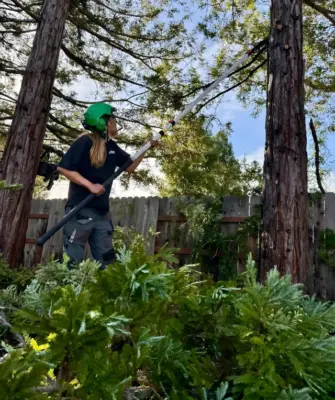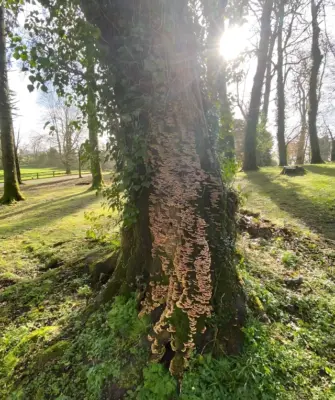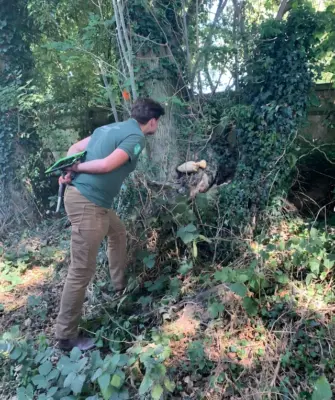
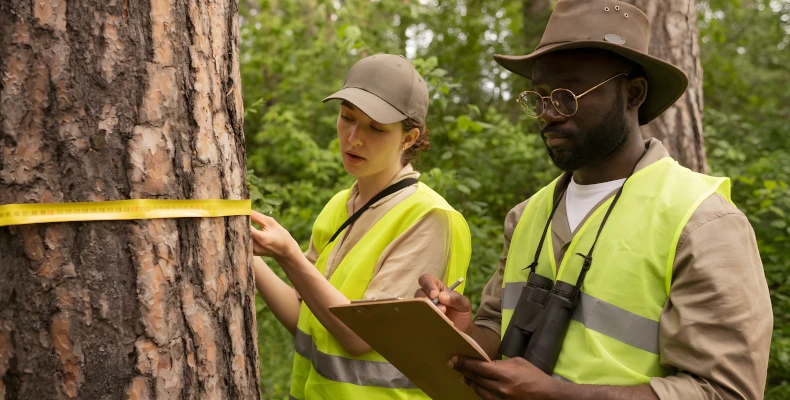
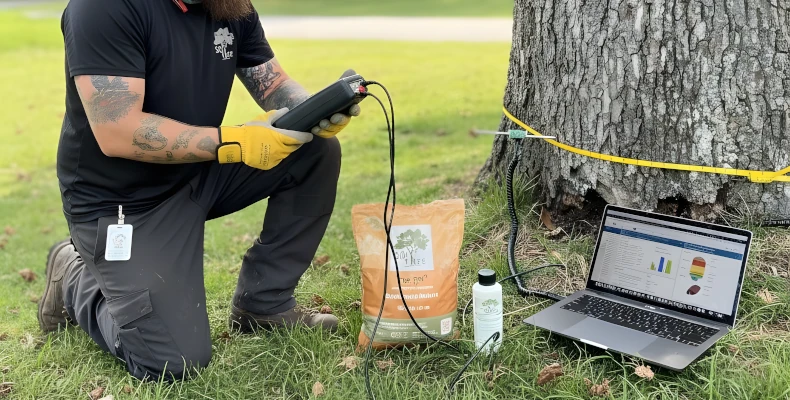
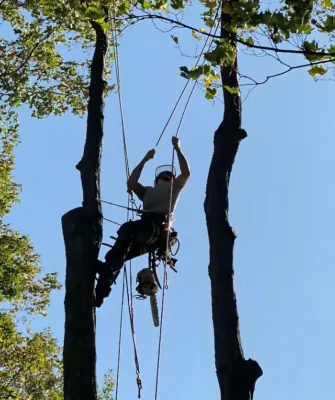
Professional tree inspections that identify risks, assess overall health, and provide clear recommendations for the right next steps

372

Identify Tree Issues Before
They Become Problems

Tree issues aren’t always visible at first glance. Structural weaknesses, disease, and hidden damage can develop over time and lead to serious problems if left unchecked. A professional inspection helps identify these risks early and gives you a clear understanding of your tree’s condition.

At Washington Tree Services, we perform detailed evaluations to assess tree health, structure, and surrounding conditions. Our goal is to provide accurate insight and practical recommendations so you can make informed decisions about maintenance, treatment, or removal.

372

Clear Assessments
Backed by Experience

Every tree is carefully evaluated to identify potential hazards, underlying issues, and long-term concerns. We focus on providing clear, actionable information so you know exactly what steps to take next.

372

Key Benefits Of Our
Tree Inspection & Evaluation

Early Problem Detection

Identifies hidden issues such as decay, disease, or structural weakness before they become serious or costly.

Improved Property Safety

Helps prevent potential hazards by identifying trees or limbs that could fail and cause damage or injury.

Healthier Tree Growth

Supports long-term tree health by catching stress factors early and recommending proper care and maintenance.

Long-Term Cost Savings

Prevents expensive emergency removals or repairs by addressing issues early before they escalate.

Informed Decisions

Provides clear insights so you can confidently choose between pruning, treatment, or full removal when needed.

Frequently Asked Questions

What is a tree inspection and why do I need one?

A tree inspection is a professional evaluation of a tree’s health, structure, and safety. It helps identify potential hazards, disease, or damage before they become serious problems.

How do I know if I should have my tree inspected?

If you notice leaning, dead branches, cracks in the trunk, unusual leaf loss, or storm damage, it’s a good idea to schedule an inspection.

What’s the difference between a tree inspection and an arborist report?

A tree inspection is a general evaluation of a tree’s health, structure, and safety, usually done during an estimate or routine visit. An arborist report is more detailed and formal, often written for permits, insurance, or city requirements, and may include measurements, risk assessments, and professional recommendations.

How often should trees be inspected?

Most trees should be inspected once a year, or after major storms. High-risk trees near homes or structures may need more frequent evaluations.

What do you look for during a tree inspection?

We check for structural issues, signs of disease or pests, root stability, trunk condition, canopy health, and any risks to nearby structures.

Can you tell if a tree is dangerous?

Yes, we assess factors like lean, decay, cracks, and root damage to determine if a tree poses a safety risk.

Will I get a report or recommendations after the inspection?

Yes, we provide clear recommendations, which may include trimming, treatment, monitoring, or removal if necessary.

Can you inspect multiple trees on my property at once?

Yes, we can evaluate multiple trees during a single visit. This is a great way to get a full understanding of your property’s tree health and identify any potential risks or maintenance needs.

372

Get Started on Your
Project Today

Fill out the form and let’s talk about your next project we’re ready to guide you through every step.

Request a Free Consultation

Start by filling out our online form or giving us a call to schedule a free consultation

Receive a Customized Proposal

We’ll prepare a detailed proposal tailored to your needs, including project scope

Start Building with Confidence

Once you approve the proposal, we’ll begin the work, keeping you updated every step