Why We Can’t Quote One Price for a Tree Job
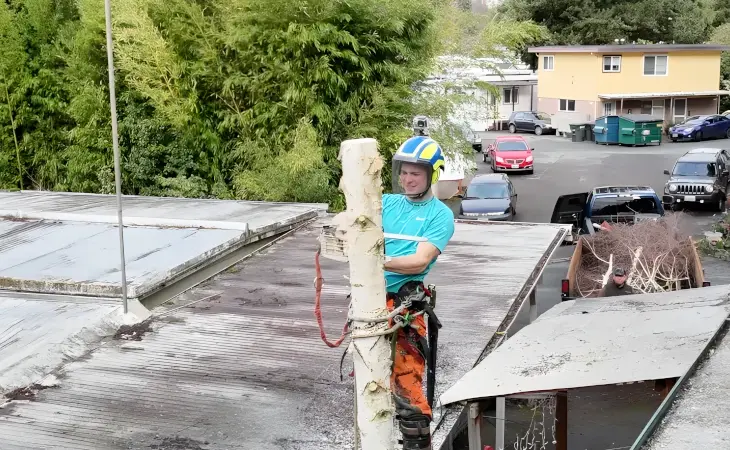
Tree work pricing depends on access, safety, equipment, and site conditions—not just the size of the tree.
- neilghuman
- Uncategorized
- neilghuman
How to Know When a Tree Needs to Be Removed in Washington
Trees are a valuable part of any property, providing shade, privacy, and long-term environmental benefits. However, there are times when a tree can become a safety concern rather than an asset. Knowing when removal is necessary can help protect your property and prevent unexpected hazards.
In Washington, where heavy rain, wind, and saturated soils are common, trees can decline or become unstable more quickly if underlying issues are present.
Understanding Tree Risk vs. Tree Health
Not every unhealthy tree needs to be removed, and not every healthy-looking tree is safe. Tree removal decisions are typically based on two key factors: structural stability and overall health.
A tree may still have green foliage but be structurally compromised, while another may be declining but still recoverable with proper care. Identifying the difference is critical when deciding the next step.
Common Signs a Tree May Need Removal
There are several visible indicators that a tree may be at risk. These don’t always mean immediate removal is required, but they should be taken seriously.
Watch for:
-
Large dead or falling branches
-
A noticeable lean or recent shifting
-
Cracks or splits in the trunk
-
Root damage or soil movement at the base
-
Fungal growth indicating internal decay
When multiple signs are present, the likelihood of failure increases.
Location and Surrounding Risk
A tree’s location plays a major role in whether removal is necessary. Even a moderately compromised tree can become a serious hazard if it’s positioned near structures or high-traffic areas.
Trees located near homes, driveways, sidewalks, or utility lines should be evaluated more cautiously, as the potential consequences of failure are higher.
Storm Damage and Structural Weakness
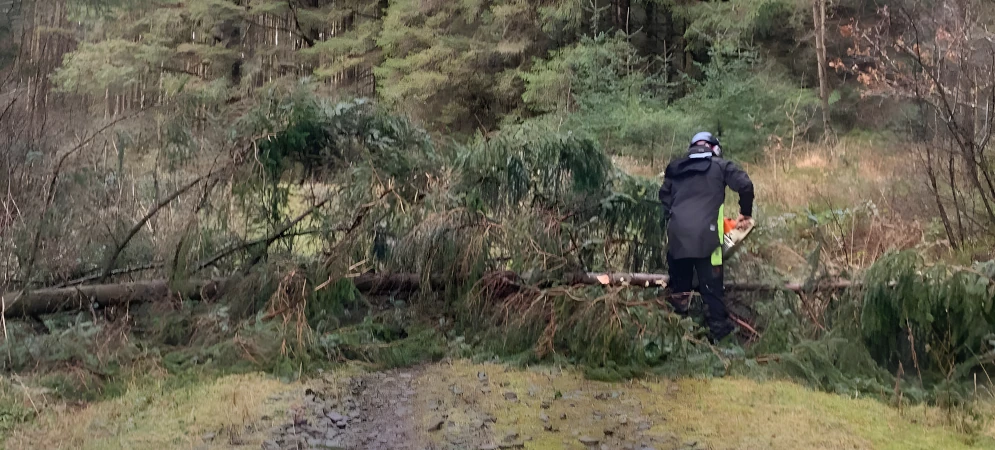
Storms are one of the most common causes of tree failure in Washington. High winds and saturated soil can weaken root systems and expose existing structural issues.
After a storm, pay close attention to changes such as leaning, cracked trunks, or hanging limbs. Damage that may seem minor at first can worsen over time if not addressed.
When a Tree May Be Saved Instead
Removal isn’t always the only option. In some cases, corrective measures can extend the life of a tree and reduce risk.
This may include:
-
Selective pruning to remove weak or damaged branches
-
Structural support such as cabling or bracing
-
Treatment for disease if caught early
A proper evaluation can help determine whether preservation is a safe and practical solution.
The Importance of a Professional Assessment
Tree risk assessment involves more than a visual check. Factors like internal decay, root stability, and load distribution all play a role in determining whether a tree is safe.
If you’re unsure about the condition of a tree, it’s always best to get a professional opinion. An experienced team can evaluate the situation and recommend the safest and most effective course of action.
Final Thoughts
Deciding to remove a tree isn’t always straightforward, but ignoring warning signs can lead to larger problems. By understanding the key indicators and taking action early, you can reduce risk and protect your property.
If you have concerns about a tree on your property, having it inspected is the best first step toward making an informed decision.
- neilghuman
Top Signs Your Tree May Be Diseased or Dying
Trees don’t usually fail overnight. Most issues develop gradually, and the early warning signs can be easy to miss if you’re not actively looking for them. Catching problems early can help you decide whether a tree can be treated—or if removal is the safer option.
In Washington’s climate, where moisture and fungal activity are common, certain diseases can spread quickly if left unaddressed.
Changes in Leaves and Canopy
One of the first signs of a struggling tree is a noticeable change in its foliage. Leaves may become discolored, develop spots, or fall earlier than expected. You may also see sections of the canopy thinning or failing to produce new growth.
In the Pacific Northwest, conditions often promote diseases like anthracnose, which can cause blotchy leaves and premature leaf drop, especially during wet spring months.
Dead Branches and Progressive Dieback
Dead or brittle branches are a common indicator of decline. This often begins at the outer edges of the canopy and gradually works inward—a process known as dieback.
While a few dead branches can be normal, increasing dieback over time typically signals deeper issues affecting the tree’s health.
Fungal Growth and Internal Decay
Fungi growing on or around a tree are often a sign of internal decay. This can appear as mushrooms near the base or shelf-like growths along the trunk.
In Washington, root-related diseases—such as laminated root rot in conifers—are a major concern. These conditions weaken the tree from within, even if it still appears relatively healthy on the outside.
Bark Damage and Trunk Issues
The bark acts as a protective layer for the tree. When it becomes cracked, peeling, or begins to fall away in sections, it can expose the tree to further damage.
Look for:
-
Deep cracks or splits in the trunk
-
Areas of missing or loose bark
-
Darkened or oozing sections
These signs may indicate infection, decay, or structural weakness.
Slowed Growth and Overall Decline
A tree that isn’t growing as it once did may be under stress. This can show up as smaller leaves, reduced seasonal growth, or a thinning canopy compared to previous years.
In many cases, this type of decline is linked to root system issues, soil conditions, or long-term disease progression.
When to Take Action
Not every symptom means a tree is beyond saving, but multiple warning signs appearing together usually point to a more serious issue.
Early action can sometimes prevent further decline, especially if the problem is identified before structural damage occurs.
If you’re unsure about the condition of your tree, it’s always best to get a professional opinion. A proper evaluation can determine whether treatment is possible or if removal is the safest option.
Final Thoughts
Tree health issues often develop slowly, but they rarely resolve on their own. In Washington’s environment, where moisture can accelerate disease, staying proactive is key.
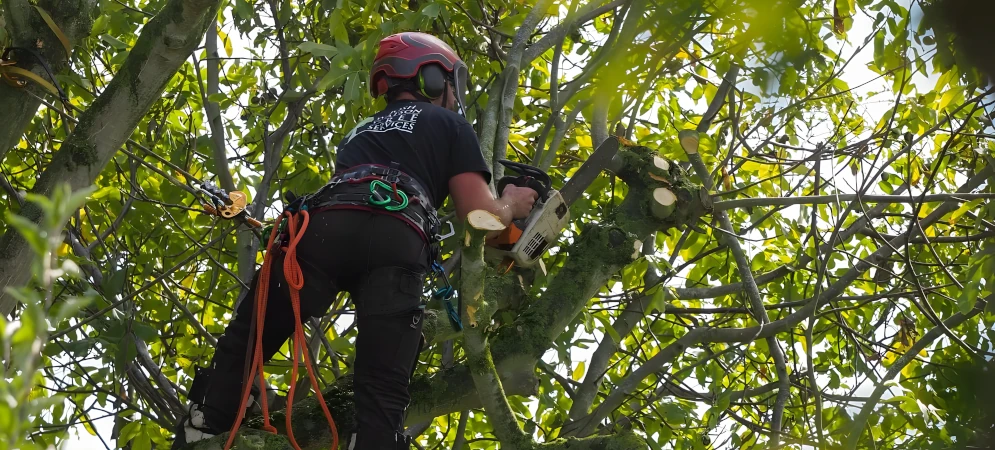
By paying attention to changes in your tree’s appearance and growth, you can make informed decisions that protect both your landscape and your property. If something doesn’t look right, having an expert take a look can provide clarity and peace of mind.
- neilghuman
Tree Removal Permits in Washington: What Homeowners Need to Know
Tree removal in Washington isn’t always as simple as cutting down a tree on your property. Many cities and counties have regulations in place to protect the urban tree canopy, and failing to follow the proper process can lead to fines or delays.
Understanding when a permit is required—and how the process works—can help you move your project forward without unnecessary setbacks.
Why Tree Removal Is Regulated
Local jurisdictions regulate tree removal to preserve environmental benefits like stormwater management, erosion control, and neighborhood aesthetics. In many cases, trees are considered part of the broader ecosystem, even on private property.
Because of this, removing certain trees without approval can result in penalties, depending on the city and the size or type of tree involved.
When a Permit May Be Required
Permit requirements vary by location, but there are common situations where approval is typically needed. This often depends on tree size, classification, and where the tree is located on the property.
A permit may be required if:
-
The tree meets a certain size threshold (often based on diameter, or DBH)
-
It is considered a “significant” or “protected” tree
-
The property falls within a regulated or environmentally sensitive area
Even on residential lots, some cities limit how many significant trees can be removed within a certain timeframe.
When a Permit May Not Be Required
There are also situations where removal may be allowed without a full permit, particularly when safety is involved.
This can include:
-
Trees that are dead, dying, or severely diseased
-
Hazardous trees posing an immediate risk
-
Smaller trees below local size thresholds
However, documentation is often still required to confirm the condition of the tree, especially in more regulated areas.
Why Location Matters
One of the most important factors in permitting is location. Tree regulations can vary significantly from one city to another—even within the same county.
Some jurisdictions may require:
-
Replacement trees or replanting plans
-
Limits based on the percentage of trees on a property
-
Additional review for properties near critical areas or shorelines
Because of these differences, each project needs to be evaluated based on the specific city or jurisdiction.
Understanding the Permit Process
While each city has its own system, the general process tends to follow a similar structure. It typically begins with determining whether a permit is required, followed by submitting an application and supporting information.
Most applications include details such as:
-
Tree size and species
-
Photos of the tree and surrounding area
-
A basic site plan or property layout
In some cases, an arborist report may be requested to support the application.
Why Working With a Professional Helps
Navigating tree regulations can be confusing, especially when requirements aren’t always clear or consistent. Working with a professional can simplify the process and help avoid delays.
A knowledgeable team can:
-
Determine if a permit is required
-
Prepare and submit the application
-
Communicate directly with the city
-
Help ensure everything meets local requirements
This not only saves time but also reduces the risk of denied permits or compliance issues.
Final Thoughts
Tree removal permits are an important part of protecting Washington’s urban forest, but they can be complex for homeowners to navigate on their own. Understanding the basics—and getting guidance when needed—can make the process much smoother.
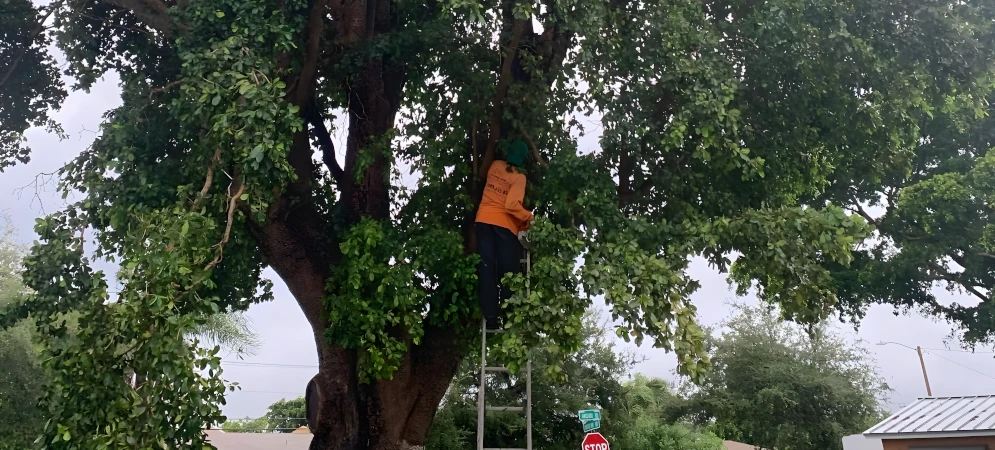
If you’re considering removing a tree and aren’t sure where to start, reaching out for help is the best first step. Getting clarity early can help you avoid setbacks and move forward with confidence.
- neilghuman
The Benefits of Professional Tree Pruning for Long-Term Health
Tree pruning is one of the most important aspects of long-term tree care. When done correctly, it improves structure, encourages healthy growth, and reduces the risk of failure. In Washington’s climate—where moisture, wind, and dense growth are common—proper pruning plays a critical role in maintaining safe and thriving trees.
Improves Tree Structure and Stability
Professional pruning focuses on developing a strong, balanced structure. By removing weak, competing, or poorly attached branches, the tree can distribute weight more evenly and withstand environmental stress more effectively.
Structural pruning is especially important for younger trees, helping guide their growth and prevent future issues later on.
Reduces Risk of Disease
Overgrown or crowded canopies can trap moisture and limit airflow—conditions that allow fungal diseases to develop. By selectively thinning the canopy and removing crossing or rubbing branches, pruning helps reduce these risks.
In the Pacific Northwest, improving airflow is one of the most effective ways to prevent disease and long-term decline.
Encourages Healthy Growth
When unnecessary or unhealthy branches are removed, the tree can redirect its energy toward stronger, more productive growth. This often results in fuller canopies, improved resilience, and in some cases, increased fruit production.
Proper pruning works with the tree’s natural growth pattern rather than against it.
Enhances Safety Around Your Property
Dead or weakened branches can become hazards, especially during storms or high winds. Pruning helps eliminate these risks before they become a problem.
This is especially important for trees located near homes, driveways, sidewalks, and high-traffic areas.
Improves Appearance and Property Value
Well-maintained trees contribute significantly to the overall appearance of a property. Pruning helps shape the tree, remove unsightly growth, and maintain a clean, intentional look.
Healthy trees can also enhance curb appeal and add value to both residential and commercial properties.
Why Professional Pruning Matters
Not all pruning is beneficial—improper cuts or excessive removal can actually harm a tree. Professional pruning follows proven industry standards to ensure the tree remains healthy and structurally sound.
Understanding ISA and ANSI A300 Standards
Professional tree care is guided by established standards that help ensure work is done safely and correctly.
ISA (International Society of Arboriculture)
ISA is a globally recognized organization that certifies arborists in proper tree care. An ISA-certified professional is trained in tree biology, risk assessment, and safe pruning techniques.
In simple terms, it means your trees are being evaluated and maintained by someone who understands how they grow and respond to pruning.
ANSI A300 (Tree Care Standards)
ANSI A300 is a set of guidelines that defines how tree pruning should be performed. These standards focus on:
-
Making proper cuts so the tree can heal naturally
-
Removing the right amount of material without causing stress
-
Selecting the correct pruning method based on the tree’s needs
These aren’t just preferences—they’re best practices used across the industry.
What Proper Pruning Looks Like
When pruning is done correctly, it leads to:
-
Cleaner healing cuts that reduce the risk of decay
-
Improved airflow through the canopy
-
Stronger branch structure with less risk of failure
-
Balanced growth that supports long-term health
Each cut is made with a purpose, not just for appearance.
Avoiding Common Pruning Mistakes
Improper pruning can create long-term problems for trees. Some of the most common issues include:
-
Topping, which leads to weak, fast-growing branches
-
Incorrect cut placement, preventing proper healing
-
Over-pruning, which stresses the tree and reduces its ability to recover
These mistakes can shorten a tree’s lifespan and increase safety risks.
Final Thoughts
Tree pruning is more than just cutting branches—it’s a strategic process that supports long-term health, safety, and appearance. When done correctly and in line with professional standards, it helps trees thrive in Washington’s unique environment.
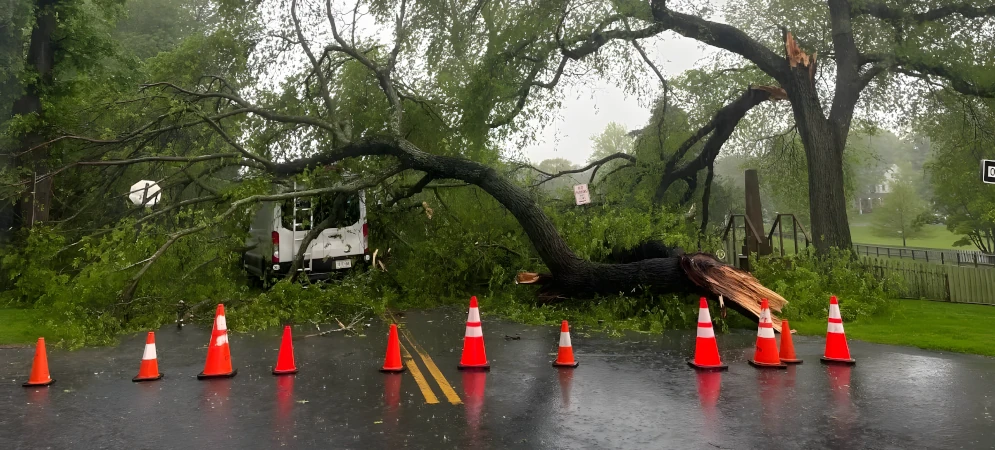
If your trees are overgrown, showing signs of stress, or simply haven’t been maintained in a while, professional pruning can make a significant difference. Having an expert take a look ensures the right approach is taken to keep your trees healthy for years to come.
- neilghuman
What to Do After a Storm Damages Your Trees
Storms are a common part of life in Washington, especially during the fall and winter months. High winds, heavy rain, and saturated soil can weaken trees and cause branches—or entire trees—to fail. Knowing what to do afterward can help you stay safe, prevent further damage, and make informed decisions about your property.
Start with Safety First
After a storm, safety should always come first. Damaged trees can be unstable and unpredictable, even if they don’t appear severely impacted at first glance.
Stay clear of:
-
Hanging or partially broken limbs
-
Trees that are leaning or shifting
-
Areas near downed or nearby power lines
If a tree has fallen on a structure or is involved with utilities, it’s best to keep your distance and call professionals immediately.
Assess the Damage Carefully
Once conditions are safe, take time to observe your property from a distance. You don’t need to get close to identify most issues.
Common signs of storm damage include broken limbs, cracks in the trunk, sudden leaning, or exposed roots. Some of these problems may not seem urgent right away but can worsen over time if left unaddressed.
Can the Tree Be Saved?
Not all storm-damaged trees need to be removed. In many cases, proper pruning or corrective work can help restore the tree’s structure and health.
A tree may be salvageable if:
-
The main trunk is intact
-
Damage is limited to smaller or outer branches
-
The root system appears stable
More severe damage—such as major splits or root failure—typically means removal is the safest option.
Be Cautious with Cleanup
It’s natural to want to start cleaning up right away, but storm-damaged trees can hold a lot of tension in their branches. Cutting or moving debris without the right approach can be dangerous.
Small debris can usually be handled safely, but larger limbs or anything under pressure should be left to professionals with the proper equipment and experience.
Document Everything for Insurance
If your property has been affected, documenting the damage early is important. Clear photos can help support insurance claims and avoid delays.
Be sure to capture:
-
Fallen trees or large limbs
-
Damage to structures, fences, or vehicles
-
The overall condition of the area
This step is often overlooked but can make a big difference in the claims process.
Schedule a Professional Inspection
Even if the damage seems minor, a professional evaluation is highly recommended. Some issues—like internal cracks or root instability—aren’t always visible from the outside.
An experienced tree service can identify hidden risks, recommend the best course of action, and help prioritize what needs immediate attention.
Plan for Future Storms
Once everything has been addressed, it’s a good time to think about prevention. Regular maintenance can significantly reduce the risk of storm-related damage in the future.
This often includes pruning to remove weak branches, improving overall structure, and addressing trees that may already be in decline.
Final Thoughts
Storm damage can be stressful, but taking the right steps early can make a big difference. By focusing on safety, assessing the situation carefully, and getting expert guidance when needed, you can protect your property and avoid bigger issues down the line.
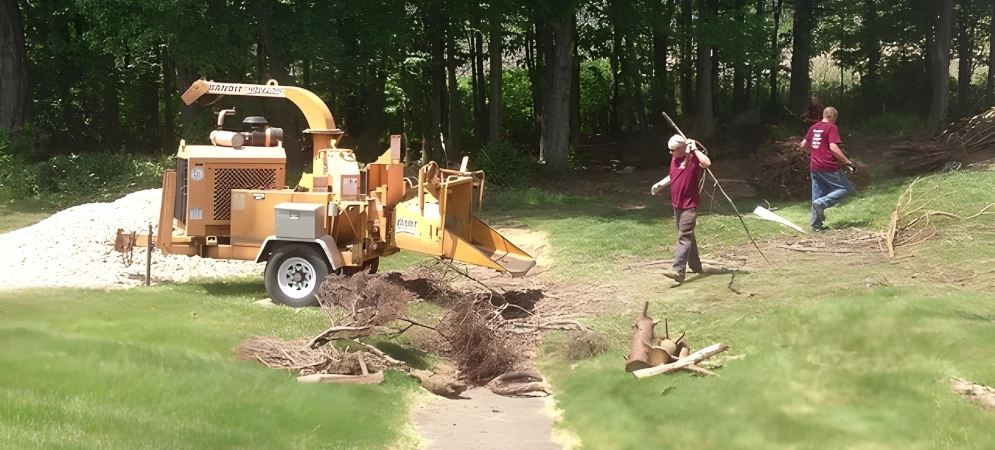
If your trees were affected by a recent storm, having a professional take a look is the best way to ensure everything is handled safely and properly.
- neilghuman
Residential vs. Commercial Tree Services: What’s the Difference?
Tree care isn’t one-size-fits-all. While the core services—like pruning, removal, and maintenance—may be similar, residential and commercial tree work often require very different approaches. Understanding the differences can help you choose the right service for your property and ensure the work is done efficiently and safely.
Understanding the Scope of Work
Residential tree services typically focus on individual properties, where the goal is to improve safety, aesthetics, and long-term tree health. Each job is more customized and often involves working around homes, landscaping, and tight access areas.
Commercial tree services, on the other hand, are usually larger in scale. These projects may involve apartment complexes, office parks, retail centers, or development sites, where efficiency, planning, and consistency are key.
Equipment and Crew Size
One of the biggest differences comes down to the equipment and manpower required.
Residential jobs often use smaller crews and equipment to safely navigate limited space. In contrast, commercial projects may require larger crews and more specialized machinery to handle higher volumes of work.
For example, commercial work may involve:
-
Multiple crews working simultaneously
-
Larger equipment for faster production
-
Coordinated scheduling across multiple areas
This allows projects to stay on timeline, especially when deadlines are critical.
Safety and Compliance Requirements
While safety is always a priority, commercial projects often come with additional layers of compliance. These may include site-specific safety plans, coordination with other contractors, and adherence to property management or municipal requirements.
Residential projects are typically more straightforward but still require careful planning, especially when trees are close to structures, fences, or neighboring properties.
Ongoing Maintenance vs. One-Time Service
Residential tree work is often performed as needed—such as removing a hazardous tree or pruning for seasonal maintenance.
Commercial properties are more likely to require ongoing service plans. These can include routine inspections, scheduled pruning, and long-term maintenance strategies to keep properties safe and presentable year-round.
Communication and Project Management
Communication styles can differ as well. Residential work usually involves direct communication with the homeowner, focusing on specific concerns and goals for the property.
Commercial projects often involve multiple stakeholders, such as property managers, HOAs, or contractors. This requires more structured communication, scheduling, and documentation to keep everything aligned.
Choosing the Right Service for Your Needs
Both residential and commercial tree services require expertise, but the approach depends on the scale and complexity of the job.
In general:
-
Residential services are more customized and detail-focused
-
Commercial services prioritize efficiency, coordination, and consistency
Choosing a team that understands both environments ensures the work is done properly, no matter the setting.
Final Thoughts
Whether you’re a homeowner looking to maintain your property or a property manager overseeing a larger site, understanding the differences between residential and commercial tree services can help you make better decisions.
Working with an experienced team that can handle both types of projects ensures flexibility, reliability, and high-quality results across the board.